
How I Started Building Real Strength and Size
When I first began working out, my main goal was simple—I wanted to build muscle. Over time, I learned that muscle building, also known as hypertrophy, is not just about lifting heavy weights. It’s about training smart, staying consistent, and understanding how your body responds to exercise.
In this post, I’m sharing my personal experience with muscle building, what hypertrophy really means, and the key exercises and principles that helped me see real progress.
What Muscle Building (Hypertrophy) Means to Me
Muscle hypertrophy refers to the process of enlarging muscle size via resistance training. For me, it involved pushing my muscles to a point that encourages growth while also giving them adequate time to recuperate.
Once I understood that muscle growth happens outside the gym—during rest and recovery—my results improved significantly.


Why I Focus on Muscle Building
Building muscle has improved much more than just my appearance. It has positively affected my strength, confidence, and overall health.
Benefits I Personally Experienced:
- Increased strength and endurance
- Improved body composition
- Better posture and joint support
- Boosted metabolism
- Higher confidence in daily activities
Muscle building made me feel stronger, more capable, and energized.
Muscle Building Exercises That Worked for Me
These are the exercises I consistently rely on because they target multiple muscle groups and promote hypertrophy effectively.
1. Squats
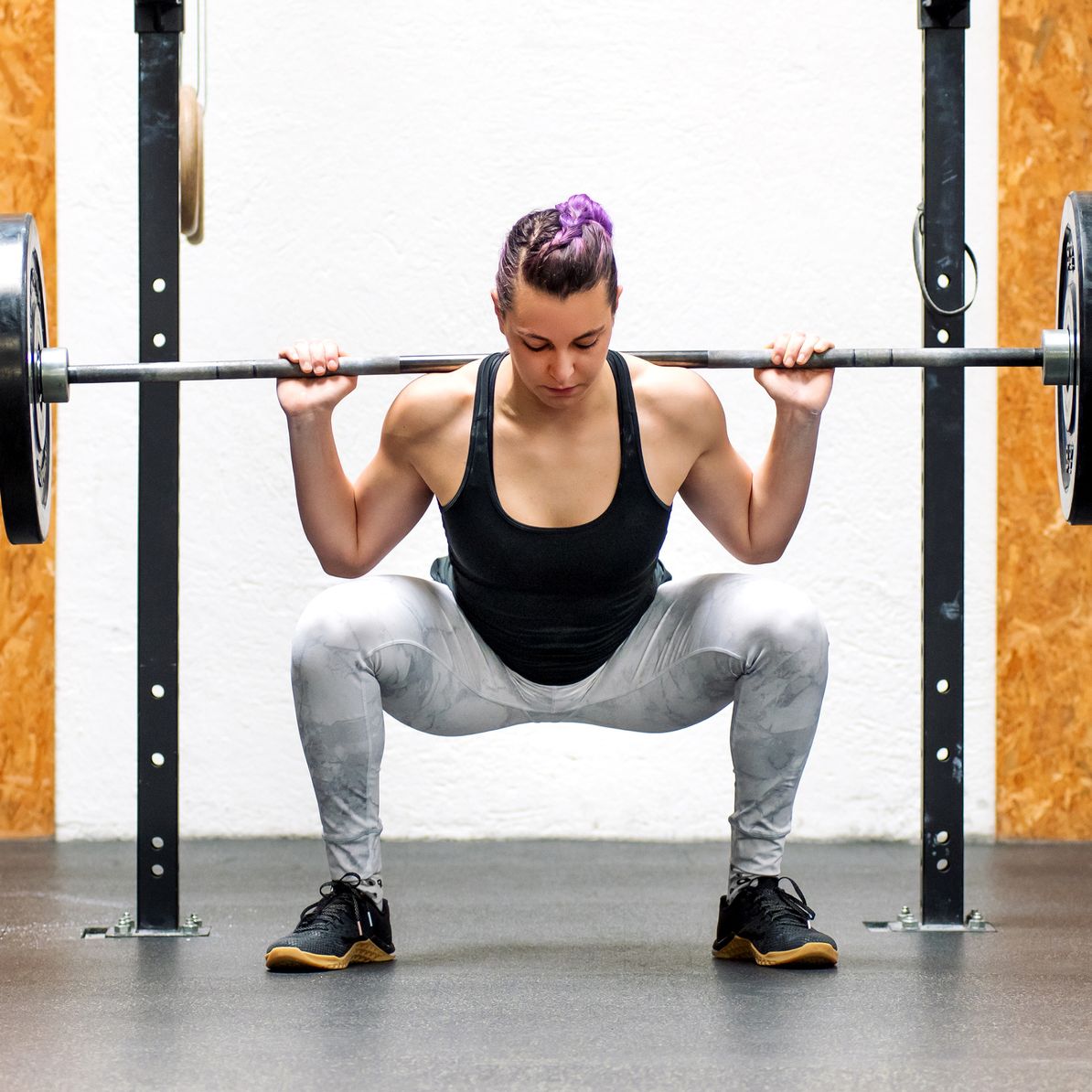
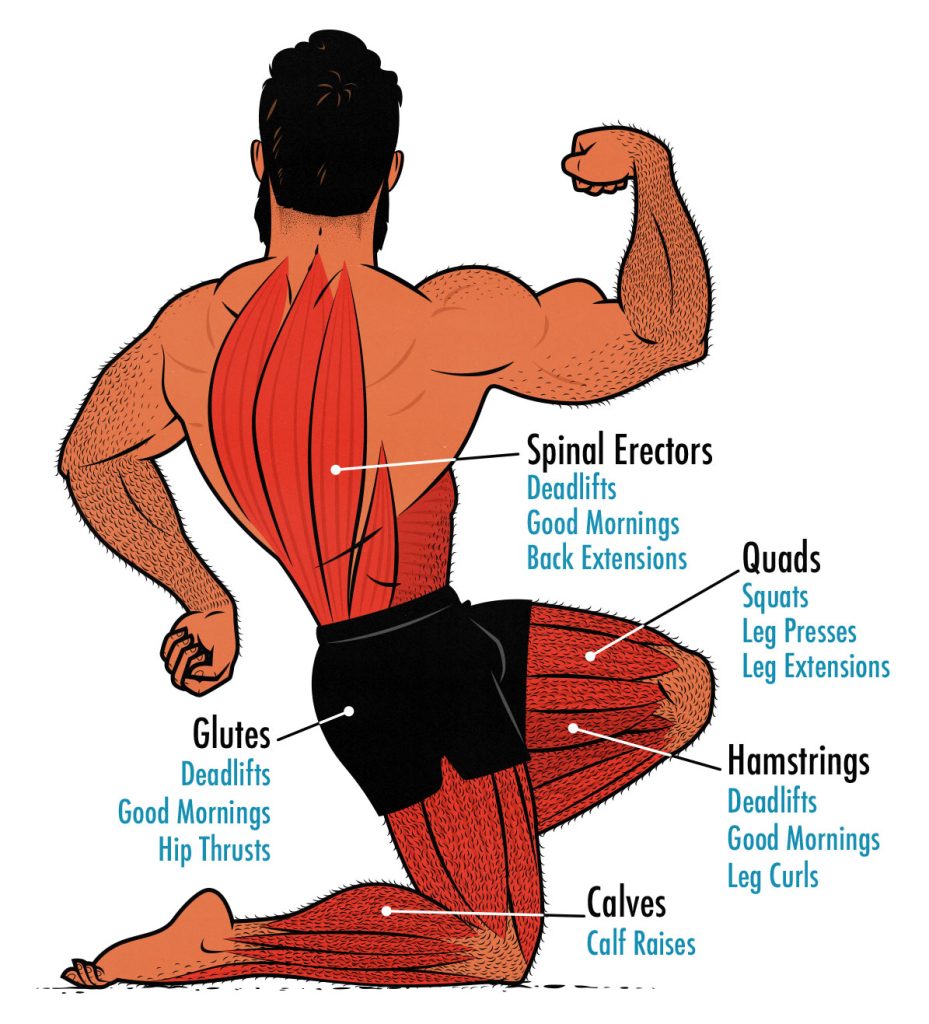
Squats became a cornerstone of my training because they engage large muscle groups.
Benefits:
- Builds leg and glute muscles
- Strengthens the core
- Supports overall muscle growth

2. Bench Press
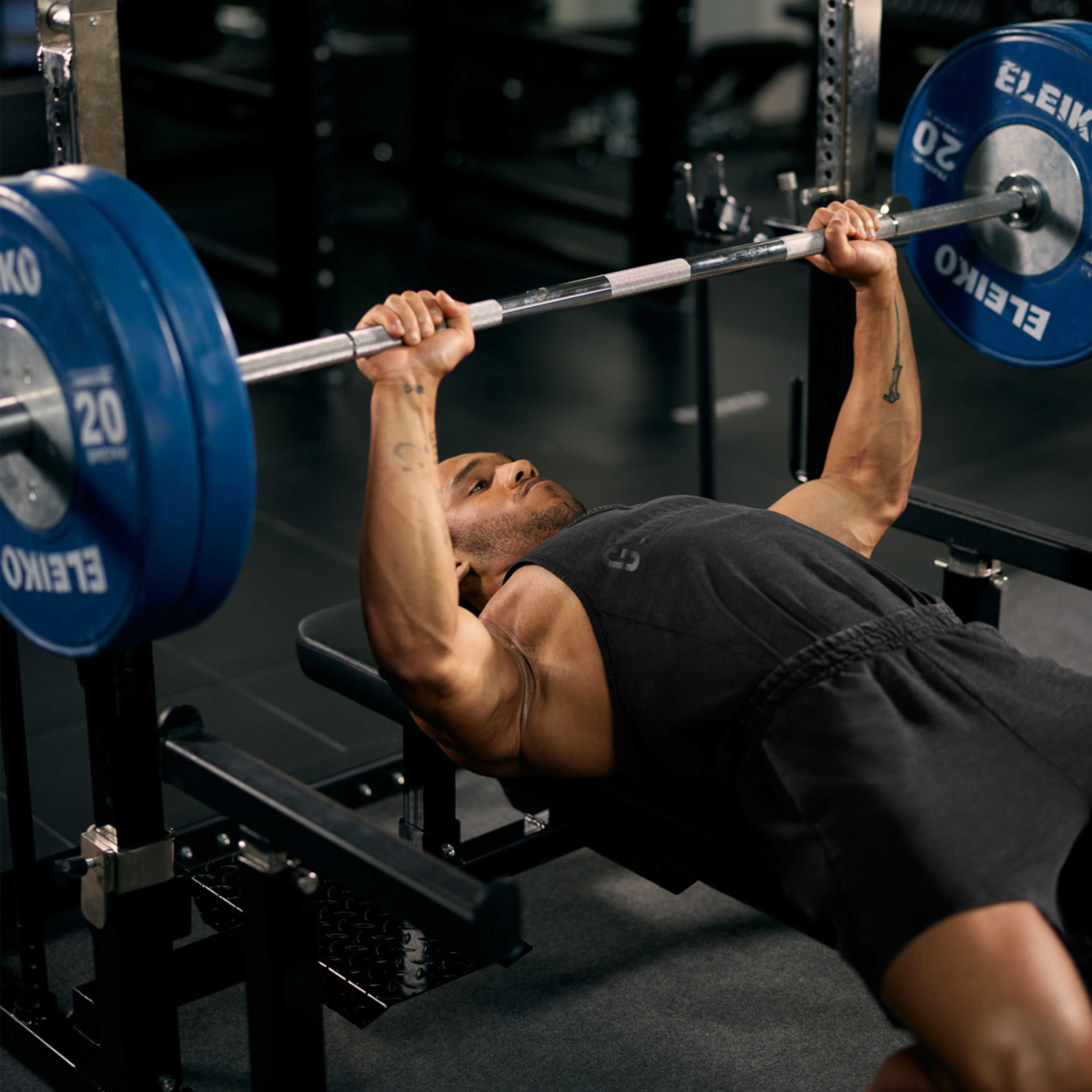
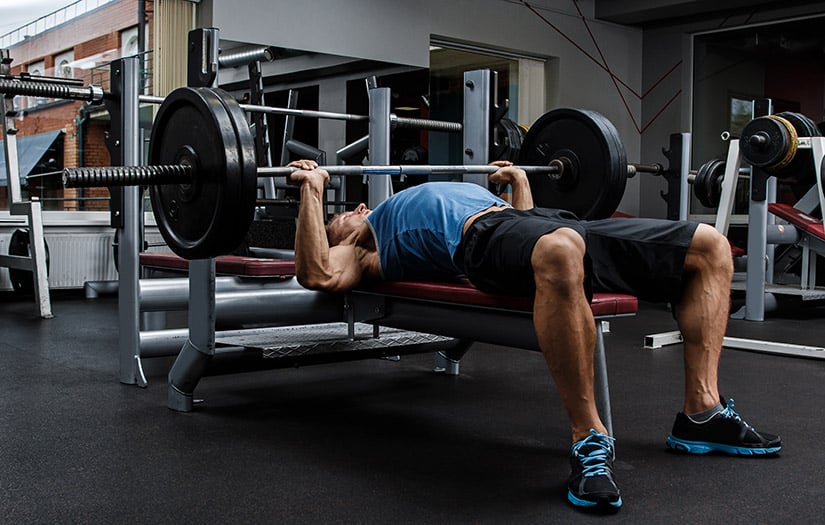
The bench press helped me build upper-body strength and chest muscle size.
Benefits:
- Targets chest, shoulders, and triceps
- Allows progressive overload
- Increases upper-body power

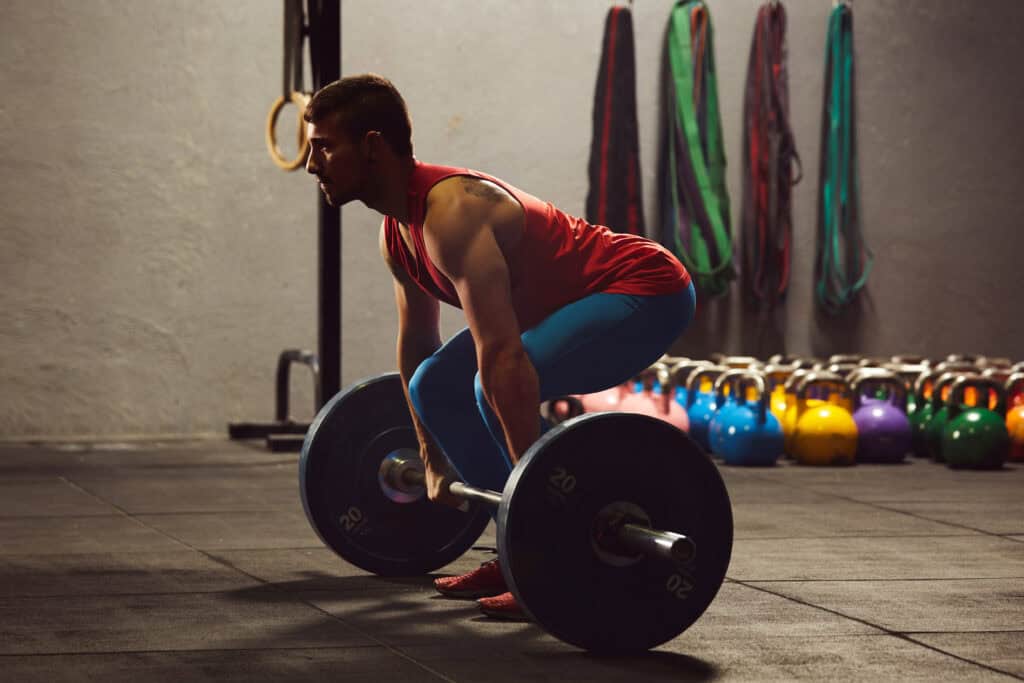
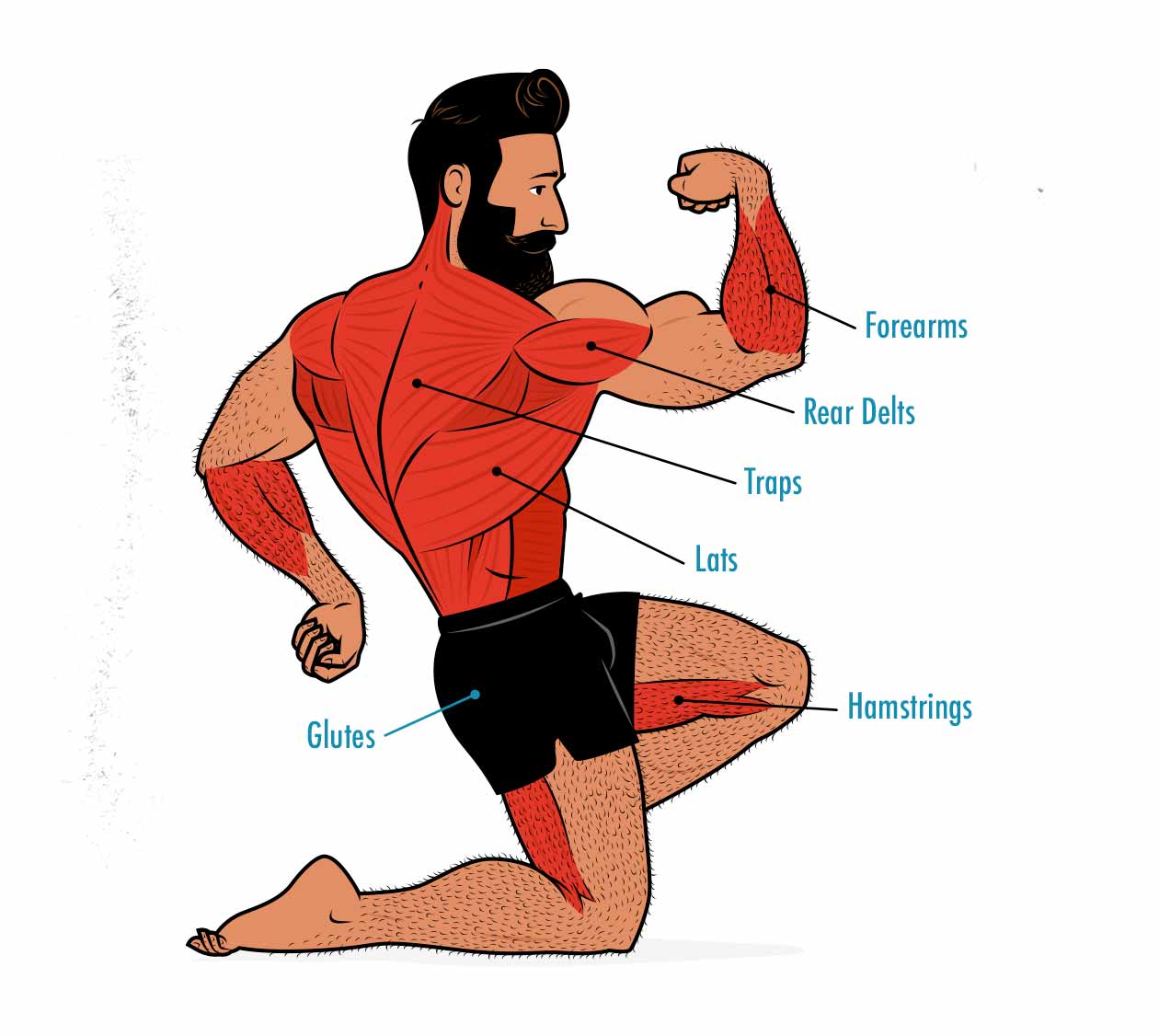
3. Deadlifts
Deadlifts challenged my entire body and accelerated overall strength gains.
Benefits:
- Builds back, glutes, and hamstrings
- Improves posture
- Enhances full-body strength

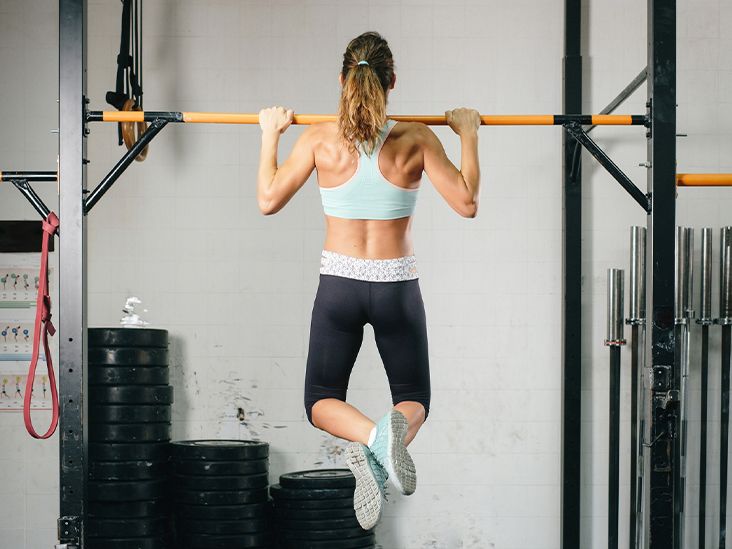
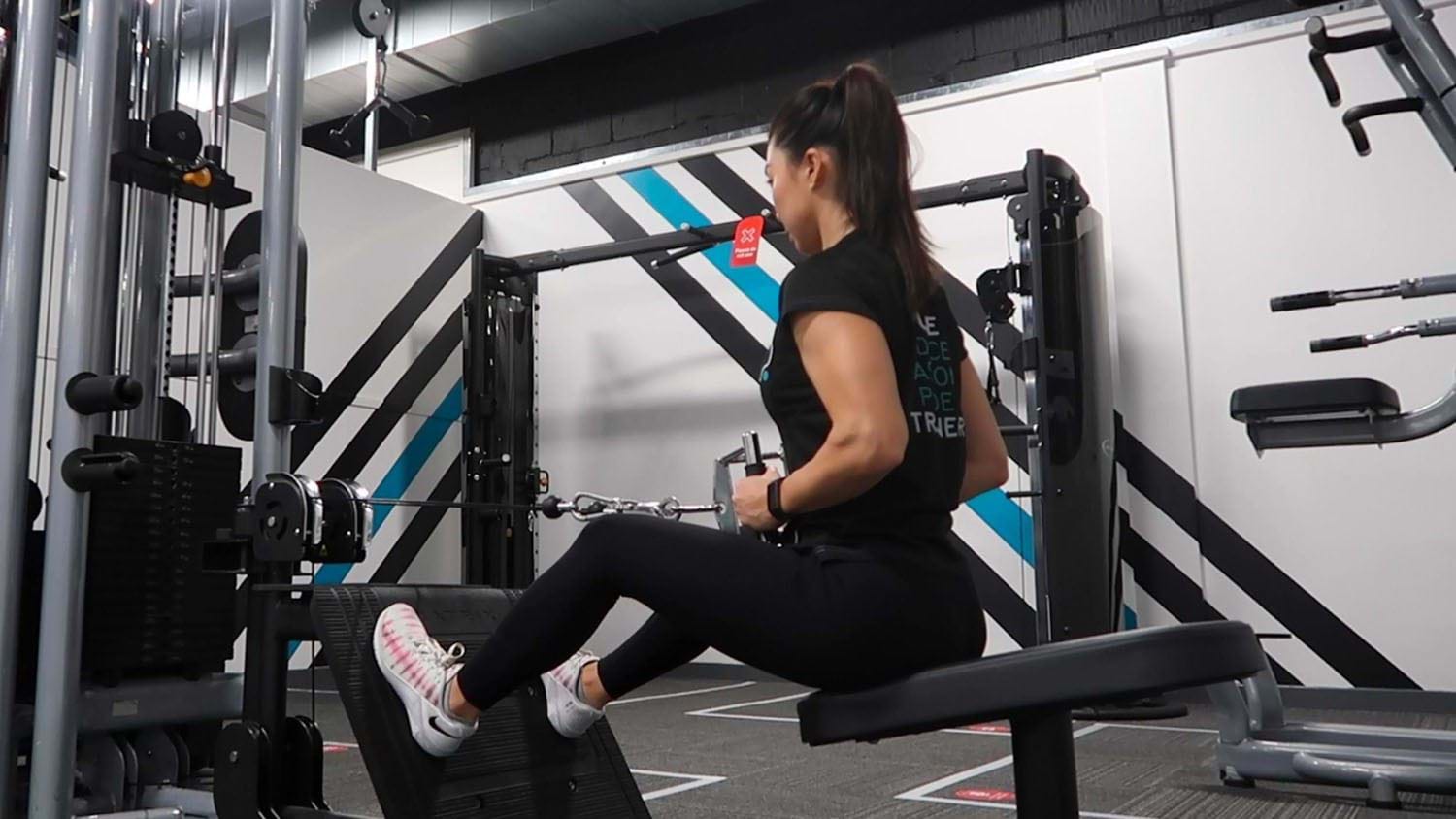
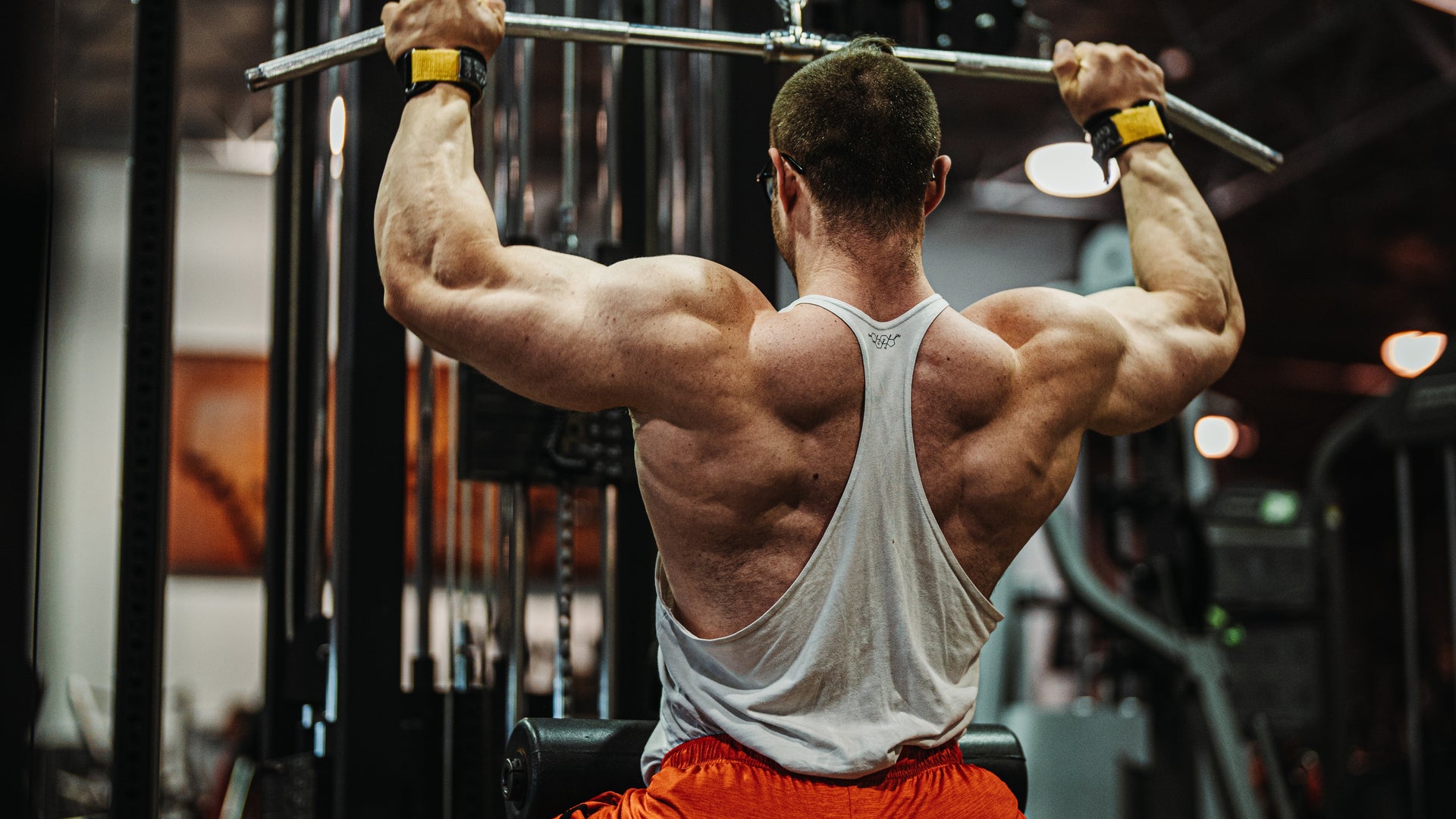
4. Pull-Ups and Rows
These exercises played a major role in developing my back muscles.
Benefits:
- Strengthens upper and lower back
- Improves grip strength
- Enhances posture
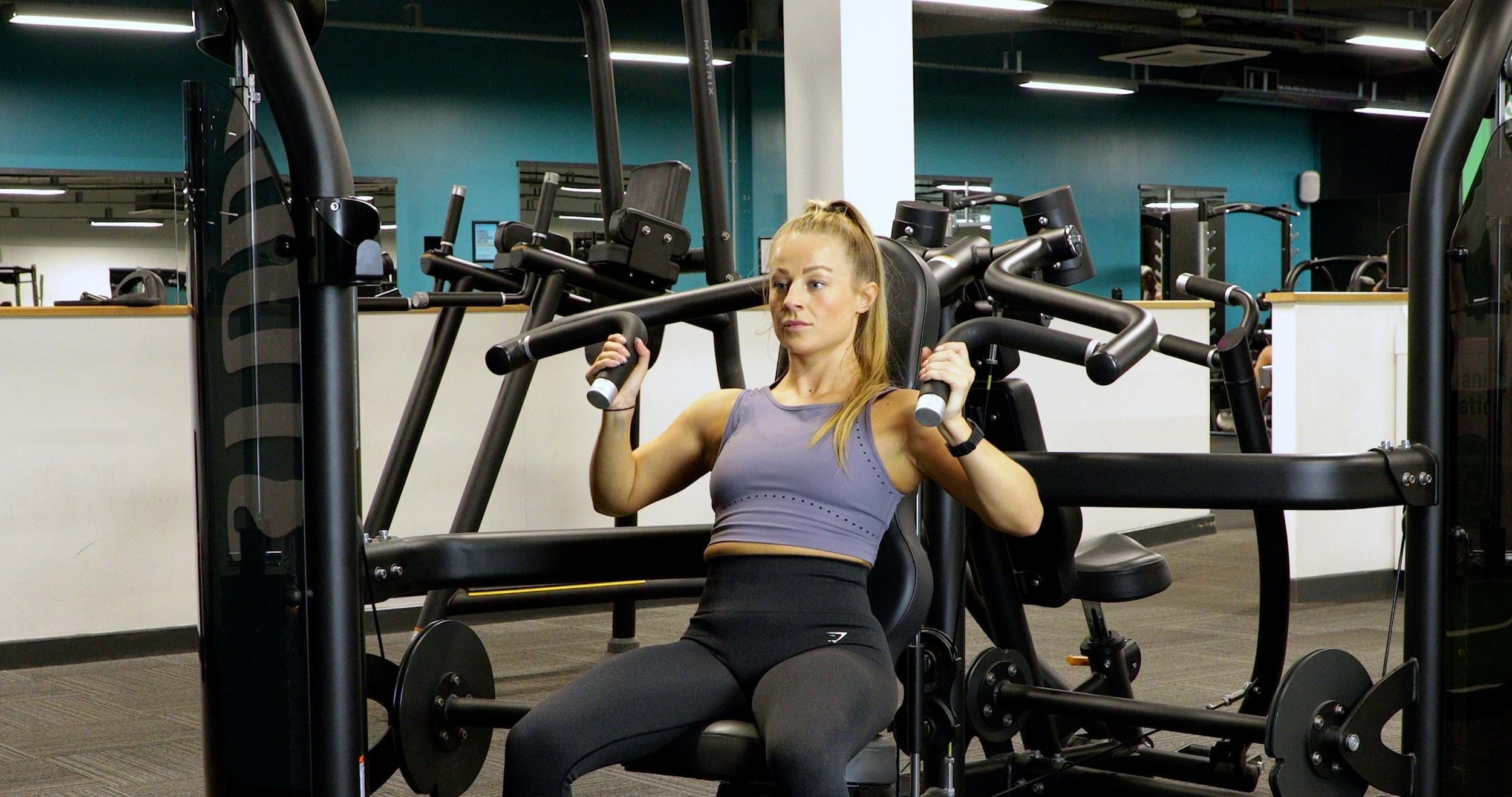
5. Shoulder Press
Shoulder presses helped me build well-rounded upper-body muscle.
Benefits:
- Builds shoulder strength and size
- Engages core muscles
- Improves shoulder stability


How I Train for Hypertrophy
Through trial and error, I found a structure that works for me:
- 3–5 workouts per week
- 8–12 repetitions per set
- 3–4 sets per exercise
- Gradually increasing weight (progressive overload)
I focus on controlled movements and proper form rather than rushing through sets.
Nutrition and Recovery: What I Learned the Hard Way
I quickly realized that training alone wasn’t enough. Muscle growth requires proper nutrition and rest.
What helped me:
- Eating enough protein to support muscle repair
- Staying hydrated
- Getting quality sleep
- Allowing muscles time to recover
Ignoring recovery slowed my progress, while prioritizing it made a huge difference.
Common Mistakes I Avoid Now
Looking back, these are mistakes I learned to avoid:
- Lifting too heavy with poor form
- Skipping warm-ups
- Not resting enough between workouts
- Expecting fast results
Muscle building is a long-term commitment, and patience pays off.
Who I Think Muscle Building Is For
From my experience, hypertrophy training is beneficial for:
- Beginners starting strength training
- Athletes improving performance
- Anyone wanting better body composition
- People looking to boost confidence and strength
You don’t need to be a bodybuilder to benefit from muscle building.
Final Thoughts
Muscle building and hypertrophy have taught me discipline, consistency, and respect for my body. The progress didn’t happen overnight, but sticking to the basics made all the difference.
If you’re starting your muscle-building journey, focus on proper training, nutrition, and recovery. Stay consistent, and the results will come.
