
How Speaking Up Can Change Lives
For many years, I kept quiet about my battles with mental health. I believed my experiences were personal, and that sharing them could leave me feeling exposed or criticized. However, as time passed, I came to understand that advocating for mental health is impactful—not only for myself but for everyone in my life.
In this post, I want to share why I became a mental health advocate, the lessons I learnt, and simple ways anyone can support mental wellness in themselves and their communities.
What Mental Health Advocacy Means to Me



Mental health advocacy, for me, is about raising awareness, fighting stigma, and promoting support systems. It’s about using my voice to help others understand that emotional well-being is just as important as physical health.
Through advocacy, I’ve learnt to:
- Share personal experiences without fear
- Educate friends and family about mental health
- Encourage others to seek help and support
- Promote conversations that normalize emotional wellness
Advocacy taught me that small actions can create meaningful change.
Why Mental Health Advocacy Matters


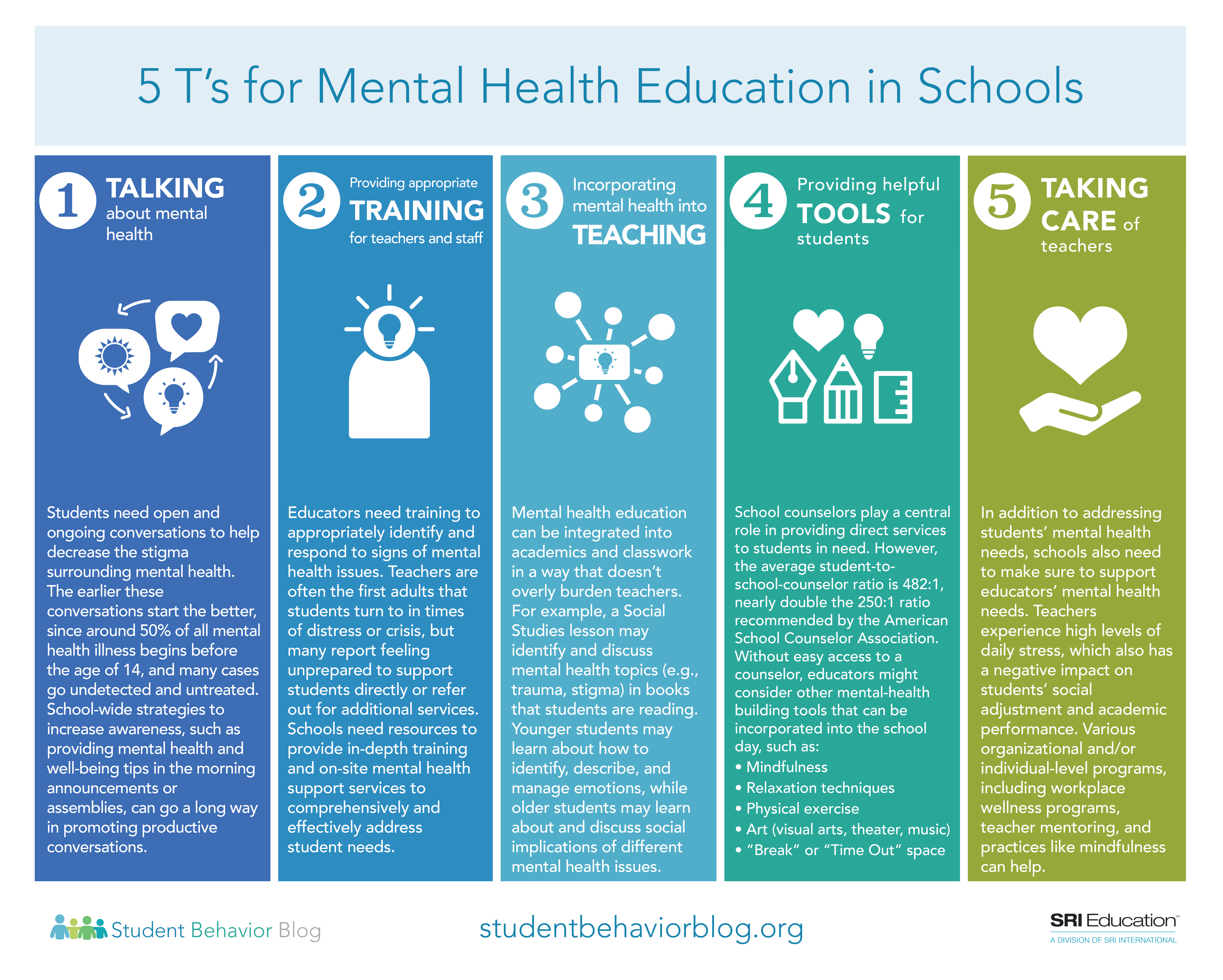

Mental health issues are often misunderstood or ignored. Advocacy matters because it:
- Reduces stigma around mental health
- Encourages early support and intervention
- Builds more compassionate communities
- Helps people feel less isolated
When I started advocating for mental health, I noticed a difference in how people reacted. Conversations became easier, empathy increased, and awareness grew.
How I Started My Mental Health Advocacy Journey


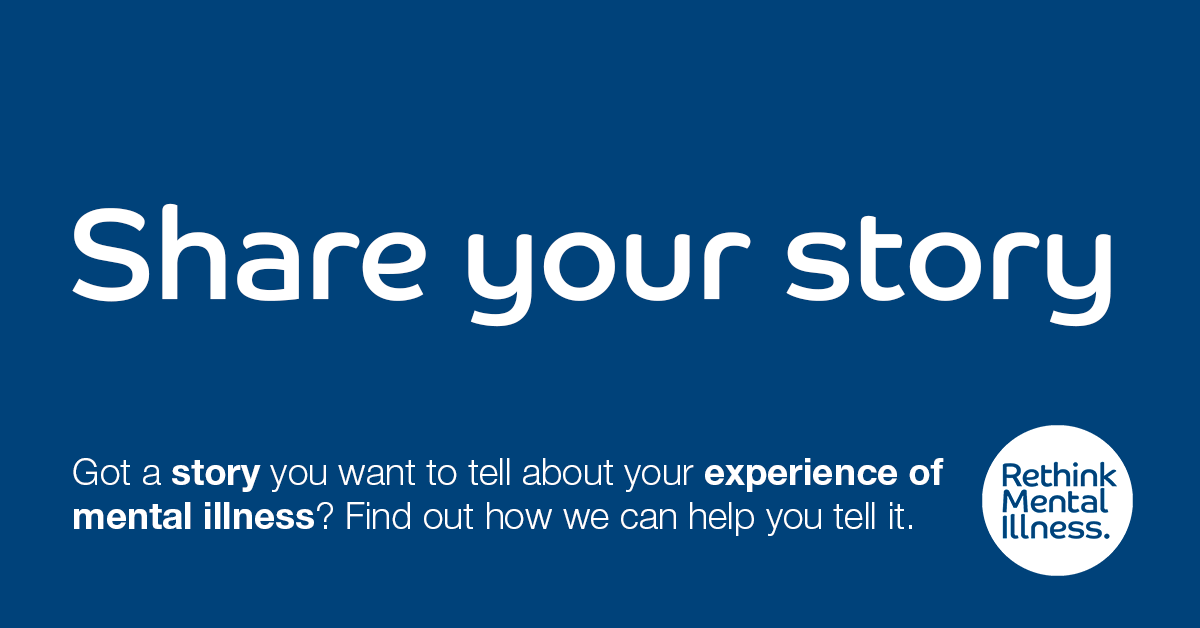
Starting advocacy didn’t require grand gestures. I began with small, consistent steps:
1. Sharing My Story
Talking about my experiences with trusted friends helped normalise mental health discussions.
2. Educating Myself and Others
Reading about mental wellness allowed me to provide accurate information and guidance.
3. Participating in Awareness Events
I joined community programmes and online campaigns, which connected me with like-minded advocates.
Simple Ways Anyone Can Advocate for Mental Health


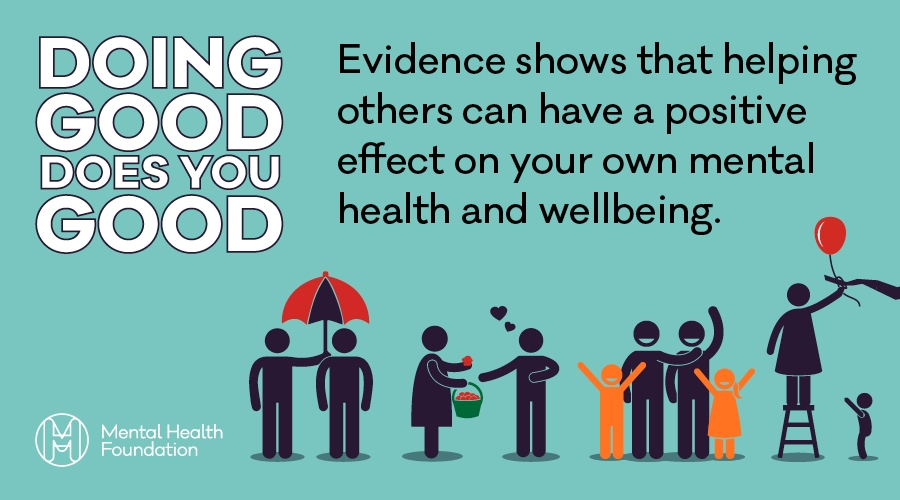

Advocacy doesn’t require being an expert. Some of the easiest ways to support mental health include:
- Listening without judgement: create safe spaces for people to express themselves.
- Promoting awareness: Share verified resources, articles, and events.
- Encouraging help-seeking: Support others in accessing professional care when needed.
- Using supportive language: Words can empower or discourage; choose them wisely.
Even small actions can ripple out and make a big difference in your community.
How Advocacy Benefits Everyone, Including Me
Advocacy has not only helped others—it’s helped me too. By speaking up, I’ve experienced:
- Greater self-awareness and self-compassion
- Stronger relationships with friends and family
- A sense of purpose and contribution
- Reduced feelings of isolation
Advocacy empowers everyone involved, creating stronger, more empathetic communities.
Final Thoughts on Mental Health Advocacy
Mental health advocacy transformed my understanding of wellness. It taught me that using my voice, sharing experiences, and promoting awareness can create change far beyond myself.
If there’s a single message I wish to convey, it’s this:
Mental health advocacy is not just about helping others—it’s about building a world where emotional well-being is respected, supported, and normalised.
SEO Keywords Used Naturally:
mental health advocacy, mental wellness awareness, mental health support, emotional well-being, mental health education, reducing mental health stigma,
AdSense-Friendly Image Placement Suggestions
- Header image: Mental health advocacy illustration (top, before introduction)
- Section 1: Advocacy concept / community support (after first heading)
- Section 2: Awareness campaigns / education images (after “Why Mental Health Advocacy Matters”)
- Section 3: Personal journey/storytelling images (after “How I Started My Mental Health Advocacy Journey”) ”)
- Section 4: Community support / helping others illustrations (after “Simple Ways Anyone Can Advocate”) ”)
If you want, I can also create:
- High-CTR meta title & description for this post
- Ad placement suggestions for maximum RPM
- Internal linking & pillar content structure for SEO boost
Do you want me to do that next?
