
Why Learning About the Mind Truly Matters
For a long time, I believed mental health was something you only thought about when things went wrong. I didn’t realise how powerful mental health education could be until I started learning how the mind works, how emotions affect daily life, and how simple habits can support mental well-being.
In this post, I’m sharing what mental health education means to me, why it matters, and how learning about mental wellness helped me build a healthier and more balanced life.
What Mental Health Education Means to Me
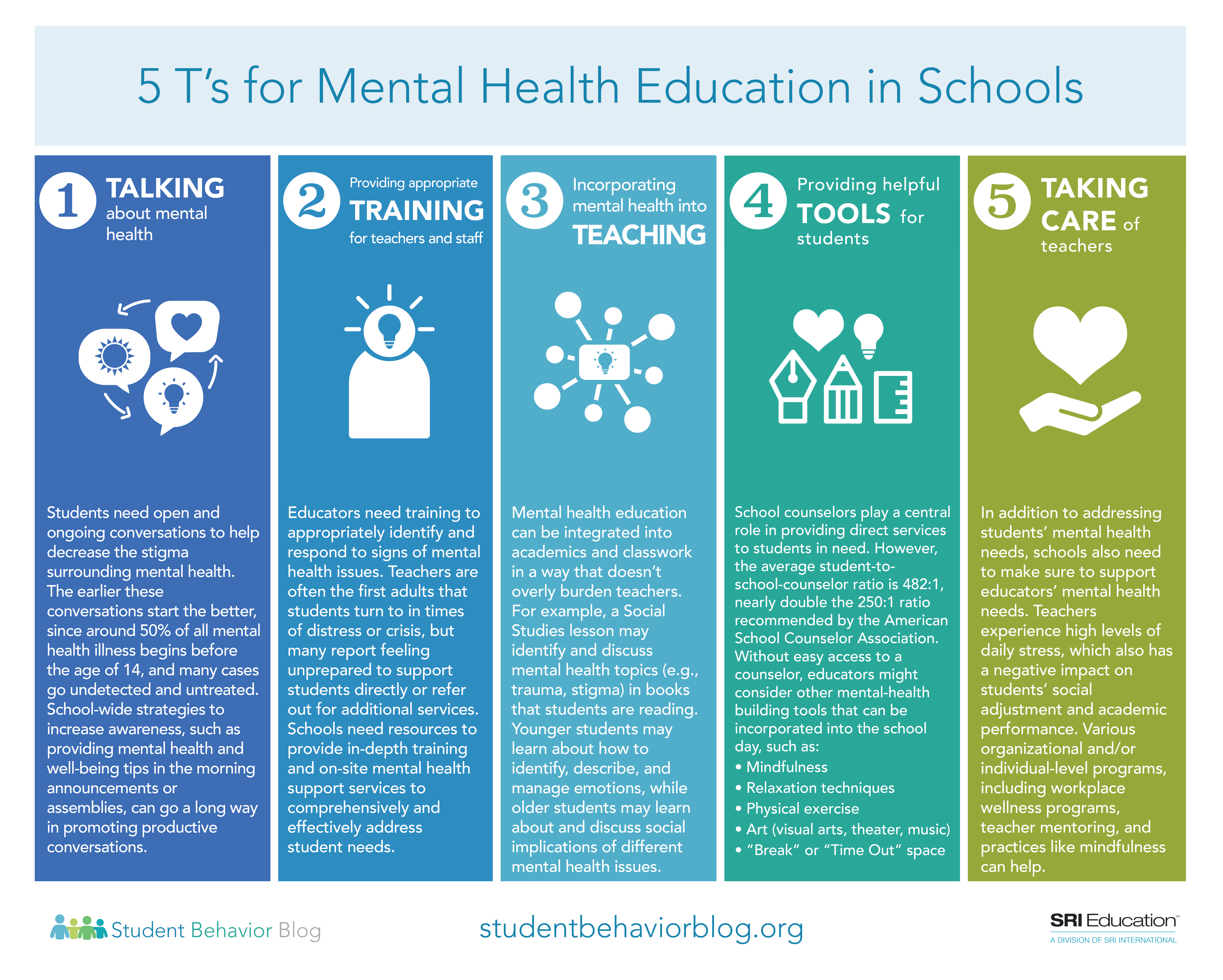
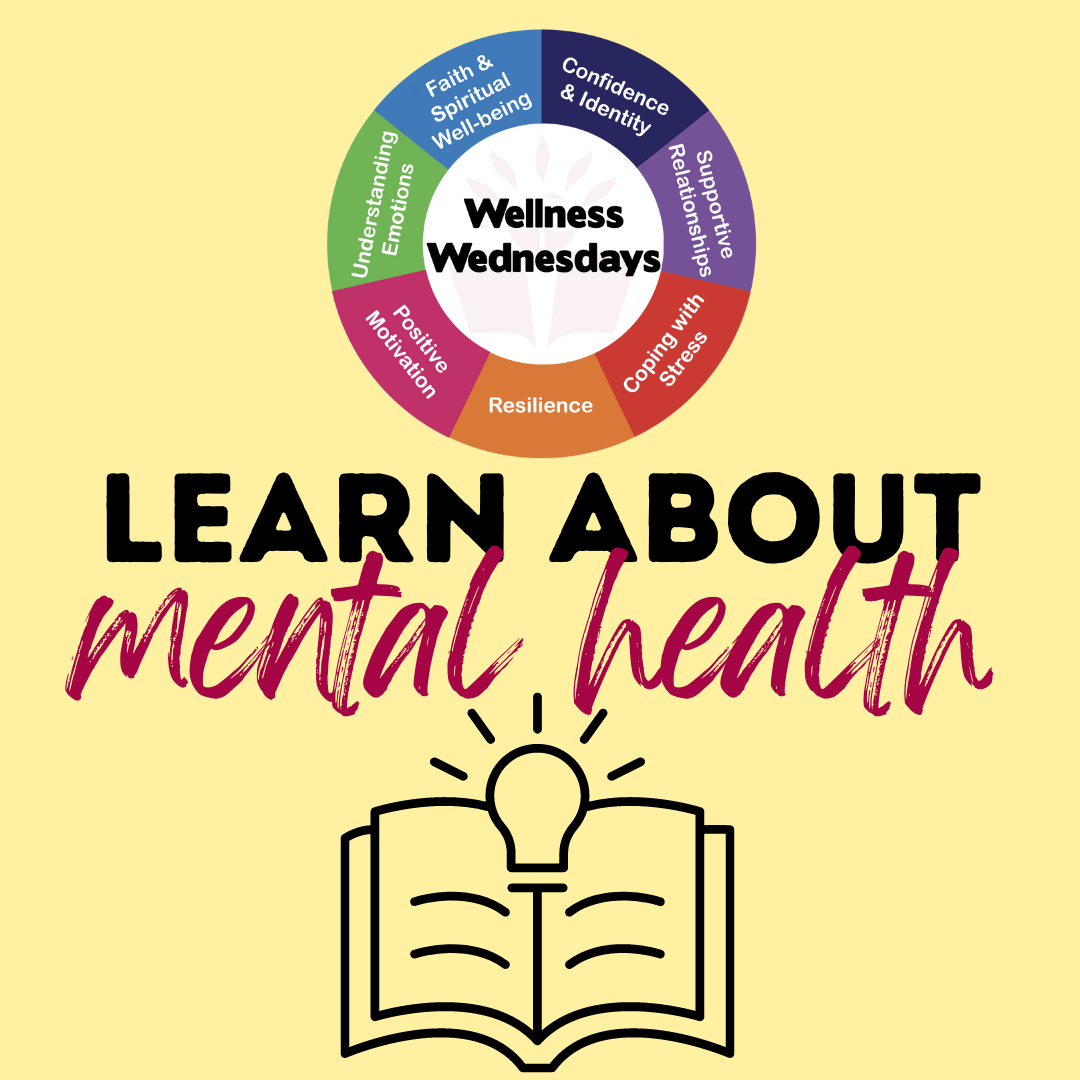


Mental health education is about understanding the mind, emotions, and behaviours in a healthy and practical way. For me, it meant learning how stress affects my thoughts, why rest is important, and how emotional awareness improves everyday decisions.
Mental health education helped me:
- Recognize emotional patterns
- Understand stress and burnout
- Improve emotional awareness
- Build healthier coping habits
Learning about mental health gave me clarity instead of confusion.
Why Mental Health Education Is Important


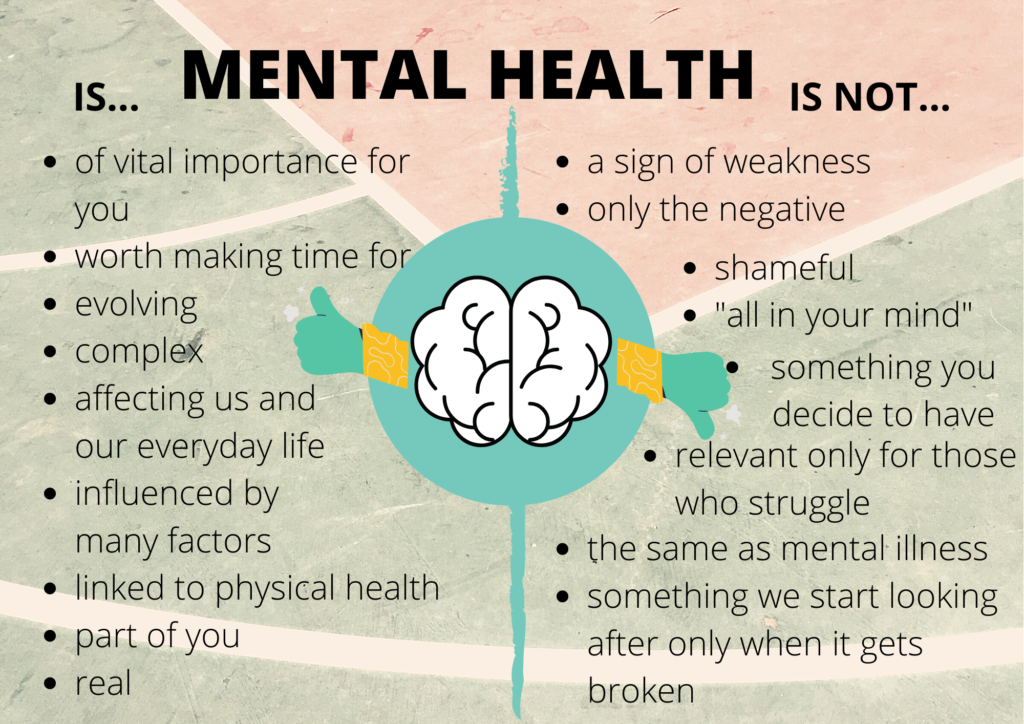
Before I educated myself, I often ignored emotional signs because I didn’t understand them. Mental health education helped me recognise the importance of mental well-being in daily life.
It matters because it:
- Reduces stigma and misinformation
- Encourages open conversations
- Promotes early self-care
- Supports emotional balance
When people understand mental health, they’re more likely to care for it consistently.
How Mental Health Education Improved My Daily Life


Learning about mental health changed how I approach everyday situations. I became more aware of my thoughts, reactions, and emotional needs.
Here’s what improved:
- Better stress management
- Improved focus and productivity
- Healthier communication
- More self-compassion
Education gave me tools instead of guesswork.
Simple Mental Health Lessons Everyone Should Learn
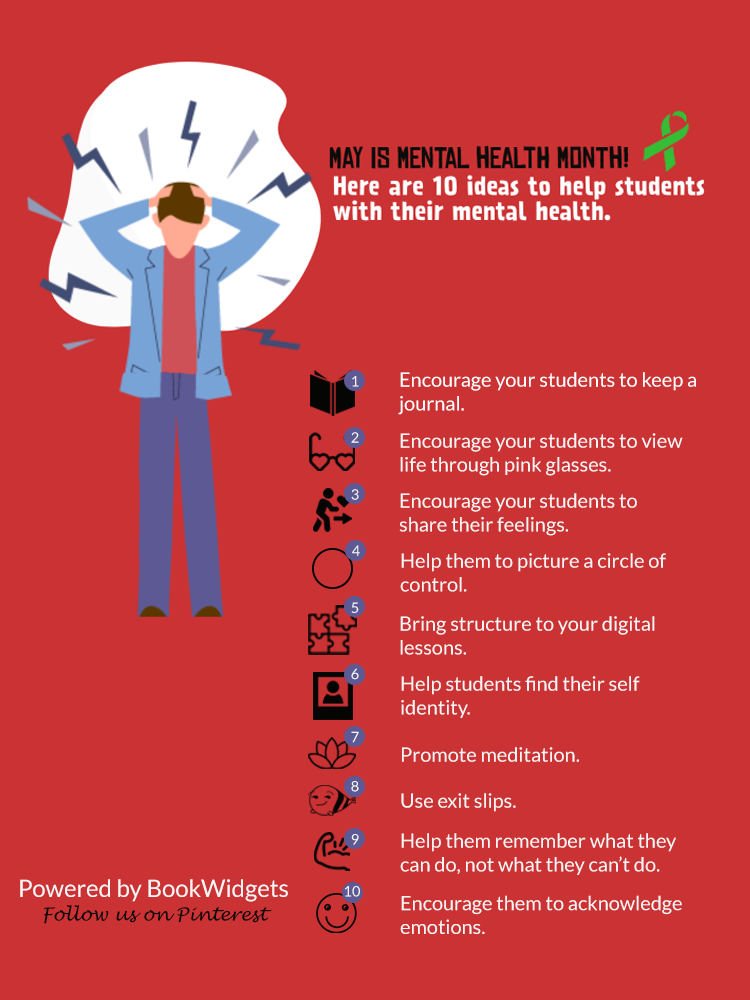


Mental health education doesn’t need to be complicated. Some of the most powerful lessons I learnt were simple:
1. Mental Health Is Part of Overall Health
Nurturing the mind is equally essential as looking after the body.
2. Emotions Are Signals, Not Weaknesses
Understanding emotions helped me respond instead of react.
3. Rest Is Essential
Learning about burnout taught me that rest improves performance, not reduces it.
The Role of Schools and Communities in Mental Health Education

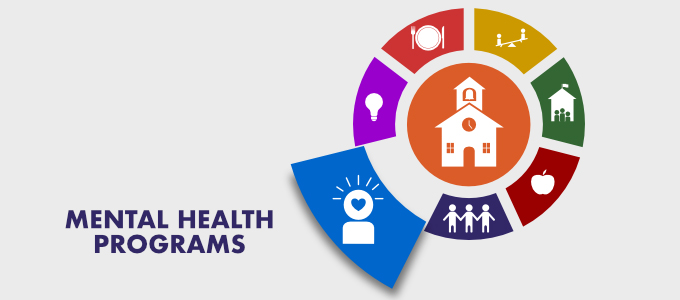

Mental health education should not be limited to personal research. Schools, workplaces, and communities play an important role in promoting mental wellness.
Education in these spaces can:
- Normalize mental health discussions
- Encourage healthy habits early
- Create supportive environments
- Improve overall well-being
The more accessible mental health education becomes, the stronger communities grow.
How I Continue Learning About Mental Health
Mental health education is an ongoing process. I continue to learn by:
- Reading trusted wellness resources
- Practicing mindfulness
- Reflecting through journaling
- Staying aware of emotional changes
Learning keeps me proactive instead of reactive.
Final Thoughts on Mental Health Education
Mental health education helped me understand myself better and live with more balance and awareness. It taught me that knowledge is a form of self-care and that understanding the mind empowers healthier choices.
If there’s one thing I firmly believe, it’s this:
Mental health education is essential for a healthier, more informed, and compassionate society.
