
How Open Conversations Can Change Lives
For a long time, I avoided talking about mental health. I believed it was a private issue and something better left unspoken. Over time, I realized that silence only adds to misunderstanding. Learning about reducing mental health stigma helped me change how I view emotional well-being—not just for myself, but for others as well.
In this post, I’m sharing why reducing mental health stigma matters, what I’ve learned, and how simple conversations can make a meaningful difference.
What Mental Health Stigma Really Means
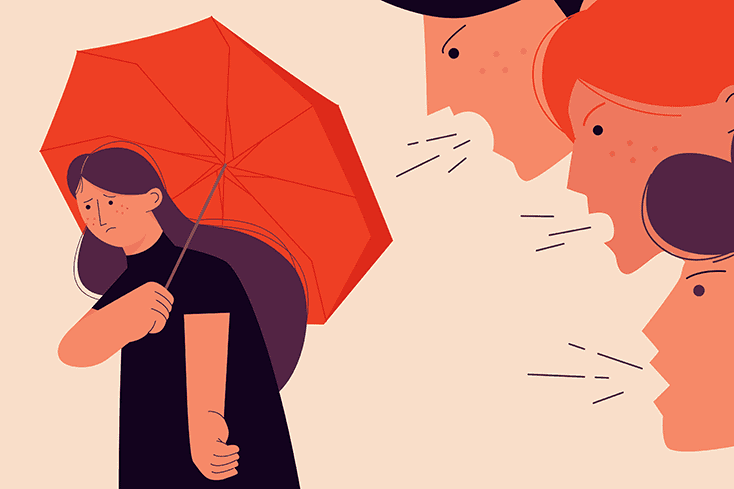


Mental health stigma often shows up as misunderstanding, fear, or judgment around emotional challenges. I used to think stigma only existed in extreme situations, but I later noticed it in everyday language, attitudes, and silence.
Stigma can look like:
- Avoiding mental health conversations
- Minimizing emotional struggles
- Feeling uncomfortable asking for support
- Believing mental health is a personal weakness
Identifying these patterns was the initial step towards transformation.
Why Reducing Mental Health Stigma Is Important


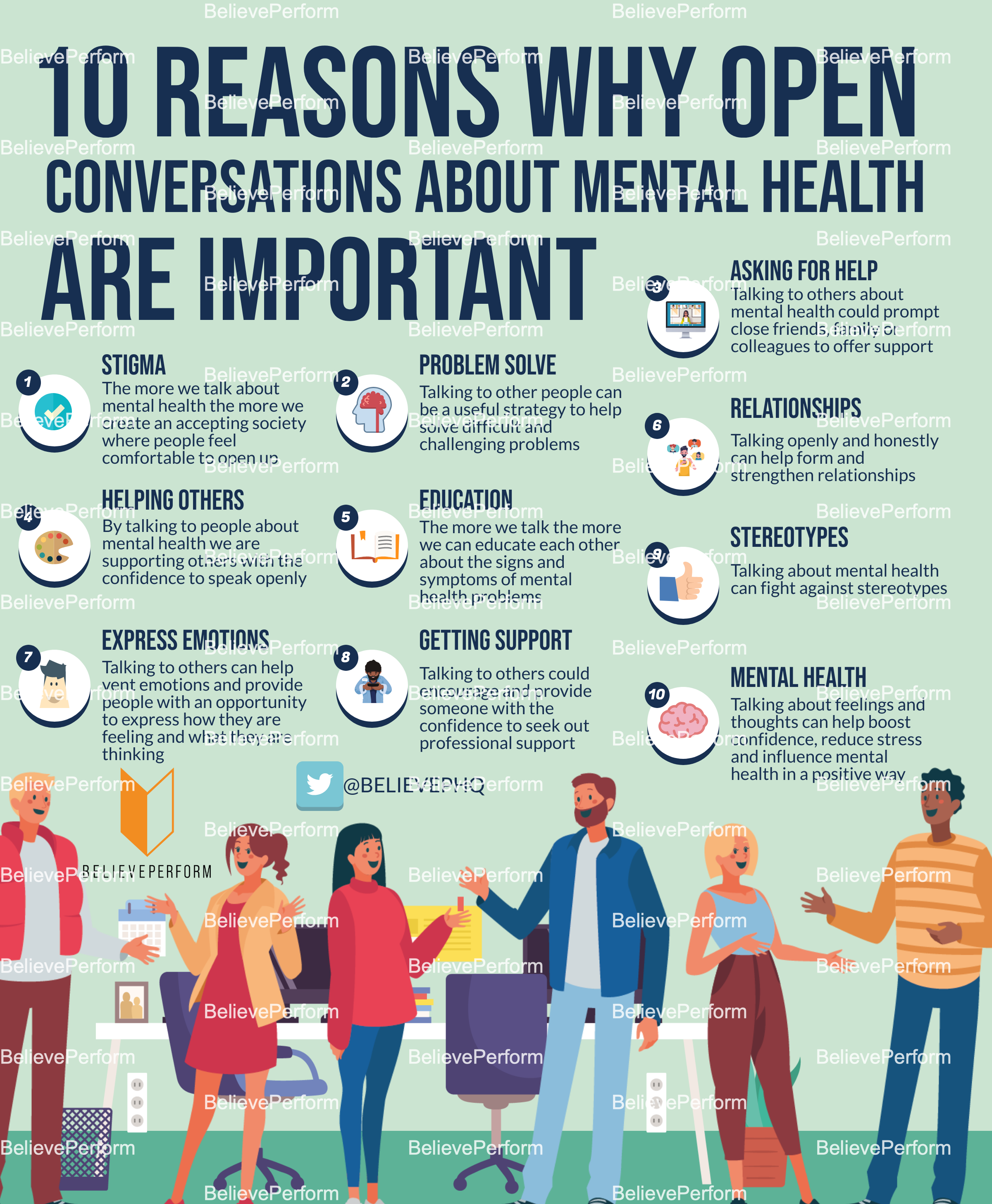
Reducing mental health stigma creates a safer and more supportive environment for everyone. When stigma is present, people often feel isolated or misunderstood. When it’s reduced, conversations become easier and support becomes more accessible.
From my experience, reducing stigma:
- Encourages open communication
- Promotes understanding and empathy
- Supports emotional well-being
- Helps build stronger communities
Awareness replaces judgment, and education replaces fear.
How Open Conversations Help Reduce Stigma


One of the most powerful tools I’ve found in reducing mental health stigma is simply talking—honestly and respectfully. When conversations are normalized, mental health becomes part of everyday life rather than a taboo topic.
I noticed that:
- Sharing experiences builds connection
- Listening without judgment creates trust
- Using respectful language changes perspectives
Small conversations can lead to meaningful understanding.
Simple Ways I Practice Reducing Mental Health Stigma



Reducing stigma doesn’t require large campaigns. It starts with everyday actions. Here are a few simple habits I practice:
1. Using Thoughtful Language
I choose words that are supportive rather than dismissive.
2. Listening More Than Speaking
Being present and open-minded allows others to feel heard.
3. Educating Myself
Learning about mental health helps me respond with understanding instead of assumptions.
Recognizing these patterns was the first step towards change. Education in Reducing Mental Health Stigma
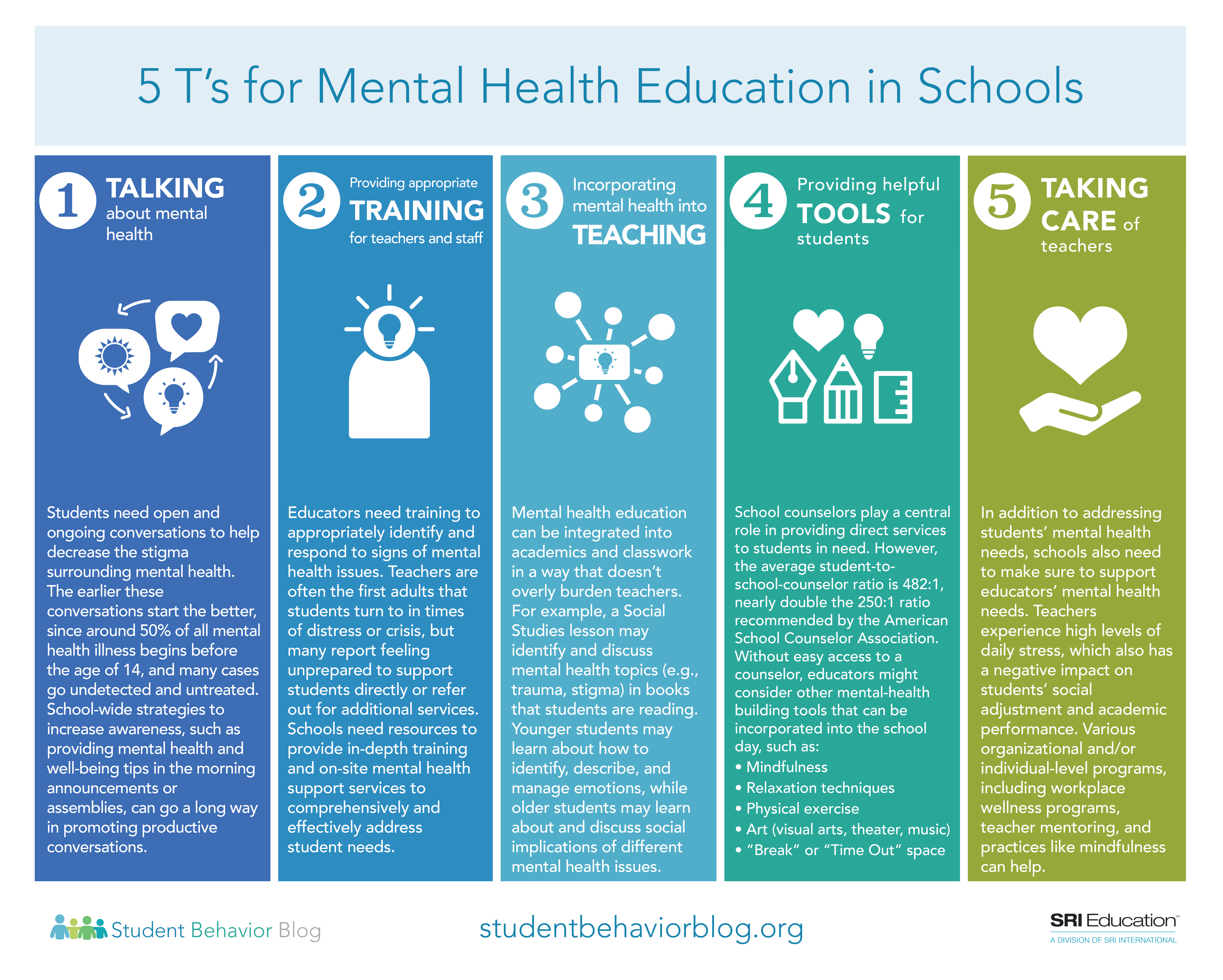
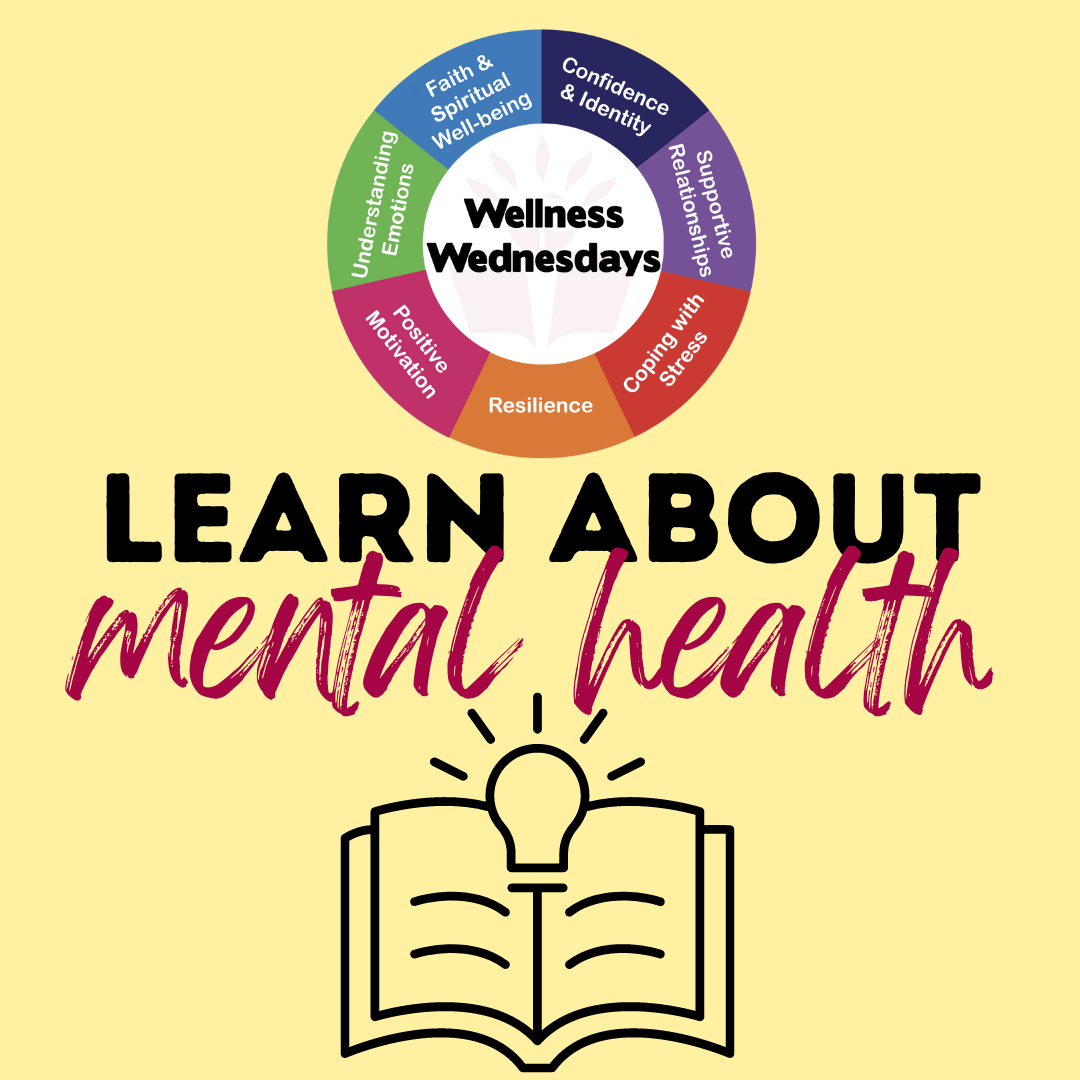
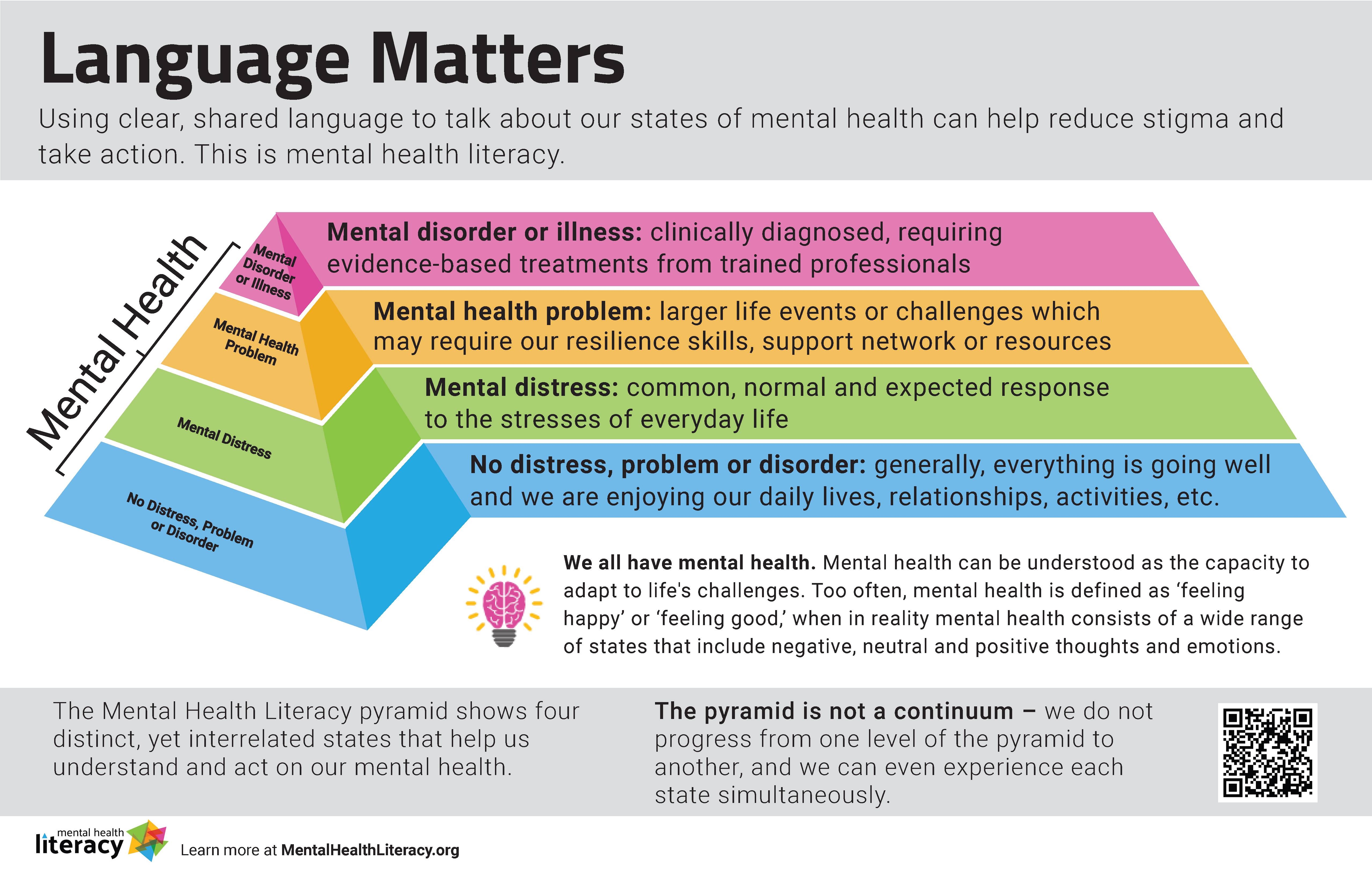

Education plays a key role in breaking stigma. The more I learned about mental health, the less fear and misunderstanding I felt.
Education helps by:
- Replacing myths with facts
- Encouraging compassion
- Supporting informed conversations
- Promoting mental health awareness
Knowledge creates empathy, and empathy reduces stigma.
Why Reducing Mental Health Stigma Benefits Everyone
Reducing mental health stigma doesn’t only help individuals—it benefits families, workplaces, and communities. When people feel supported, they’re more likely to communicate, collaborate, and care for one another.
A stigma-free environment promotes:
- Emotional safety
- Healthier relationships
- Increased awareness
- Better overall well-being
Creating acceptance helps everyone thrive.
Final Thoughts on Reducing Mental Health Stigma
Reducing mental health stigma changed how I think, speak, and listen. It taught me that emotional well-being deserves respect and understanding, not silence.
If there’s one message I hope to share, it’s this:
Talking about mental health openly is a powerful step toward a kinder and more supportive world.
SEO Keywords Used Naturally:
- reducing mental health stigma
- mental health awareness
- mental well-being
- emotional health
- mental health education
- mental wellness
