
Build Speed, Balance, and Total Body Control
Agility and coordination are essential components of physical fitness that influence how efficiently your body moves. From athletes and gym-goers to beginners and older adults, improving these skills helps enhance performance, reduce injury risk, and boost overall confidence in movement.
In this article, you’ll learn what agility and coordination are, why they matter, and how to train them effectively using simple exercises supported by free images and videos you can safely use on your blog.
What Are Agility and Coordination?
Agility refers to the capacity to move swiftly and alter direction while keeping balance and control. Coordination is the skill of using various body parts in a smooth and efficient manner.
Together, agility and coordination improve:
- Reaction time
- Balance and stability
- Muscle control
- Brain-to-body connection

Why Agility & Coordination Exercises Are Important
Agility and coordination training benefits people of all fitness levels and ages.
Key Benefits:
- Enhances sports performance and physical responsiveness
- Improves balance and reduces fall risk
- Supports joint stability and injury prevention
- Boosts cognitive function and motor skills
- Makes everyday movements smoother and safer
These exercises are especially valuable because they challenge both the mind and body at the same time.
Best Agility & Coordination Exercises
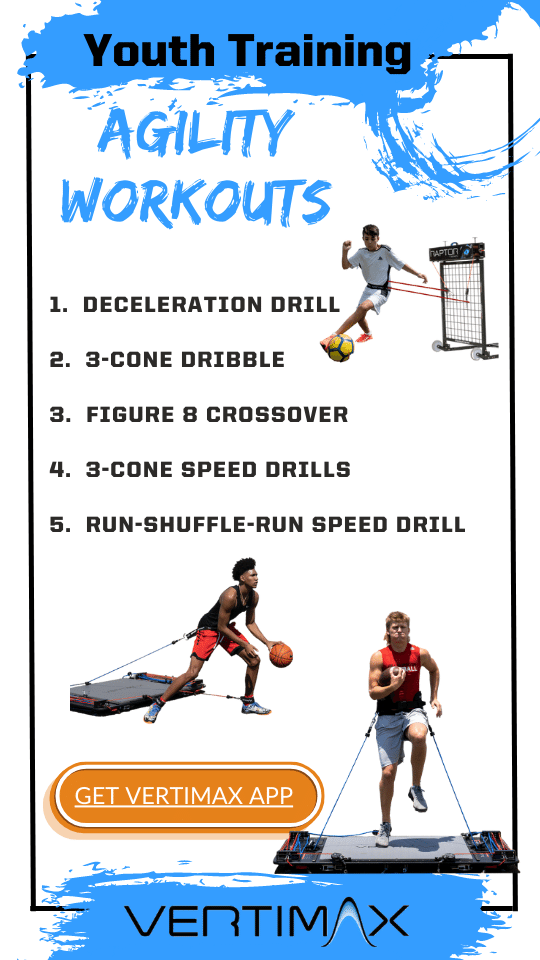
Below are effective exercises you can include in your routine. Each section also includes free video sources you can embed or link to.
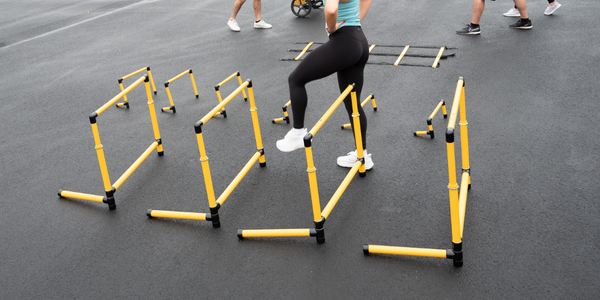
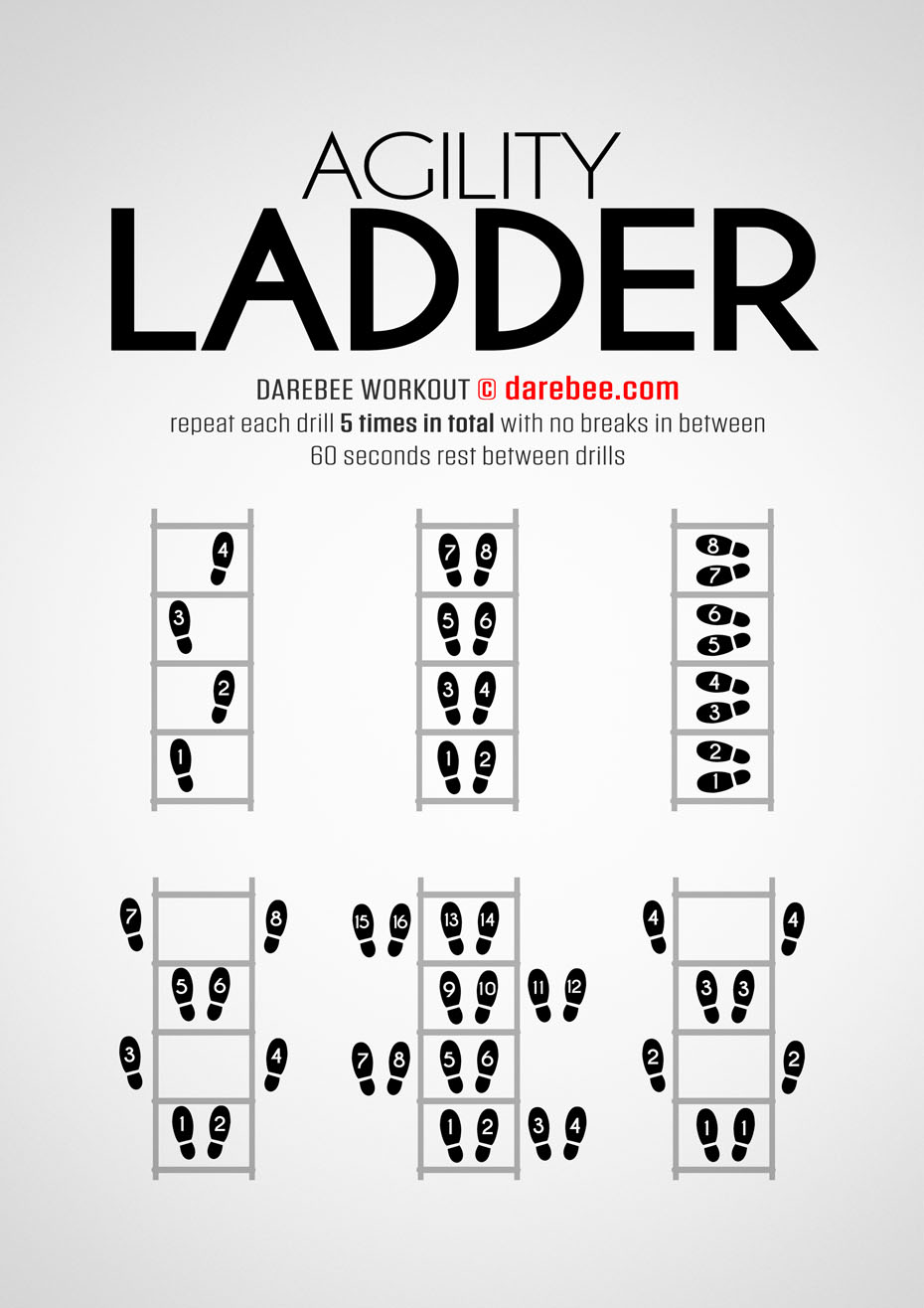
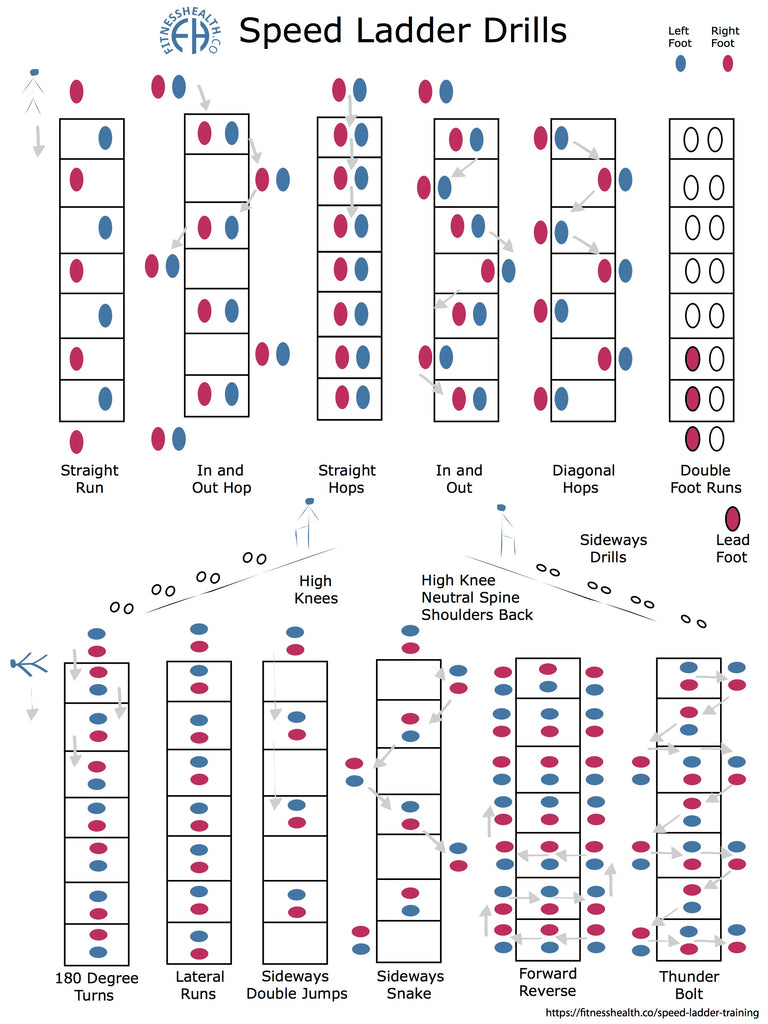
1. Agility Ladder Drills
Agility ladder drills improve foot speed, rhythm, and coordination.
Benefits:
- Faster footwork
- Better lower-body control
- Improved reaction speed

How to do it:
Step in and out of ladder squares quickly while staying light on your feet.
2. Cone Agility Drills
Cone drills help train direction changes, balance, and body awareness.
Benefits:
- Improves coordination during movement
- Enhances speed and control
- Builds athletic agility
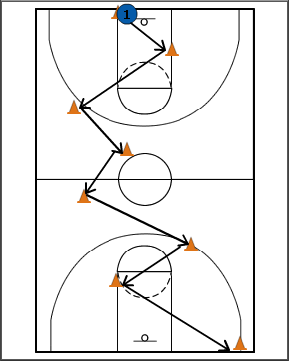

How to do it:
Place cones in a zig-zag pattern and move quickly between them while staying balanced.
3. Jump Rope Training
Jump rope is a simple yet powerful coordination exercise that also improves cardiovascular fitness.
Benefits:
- Enhances hand-foot coordination
- Improves timing and rhythm
- Strengthens lower-leg muscles


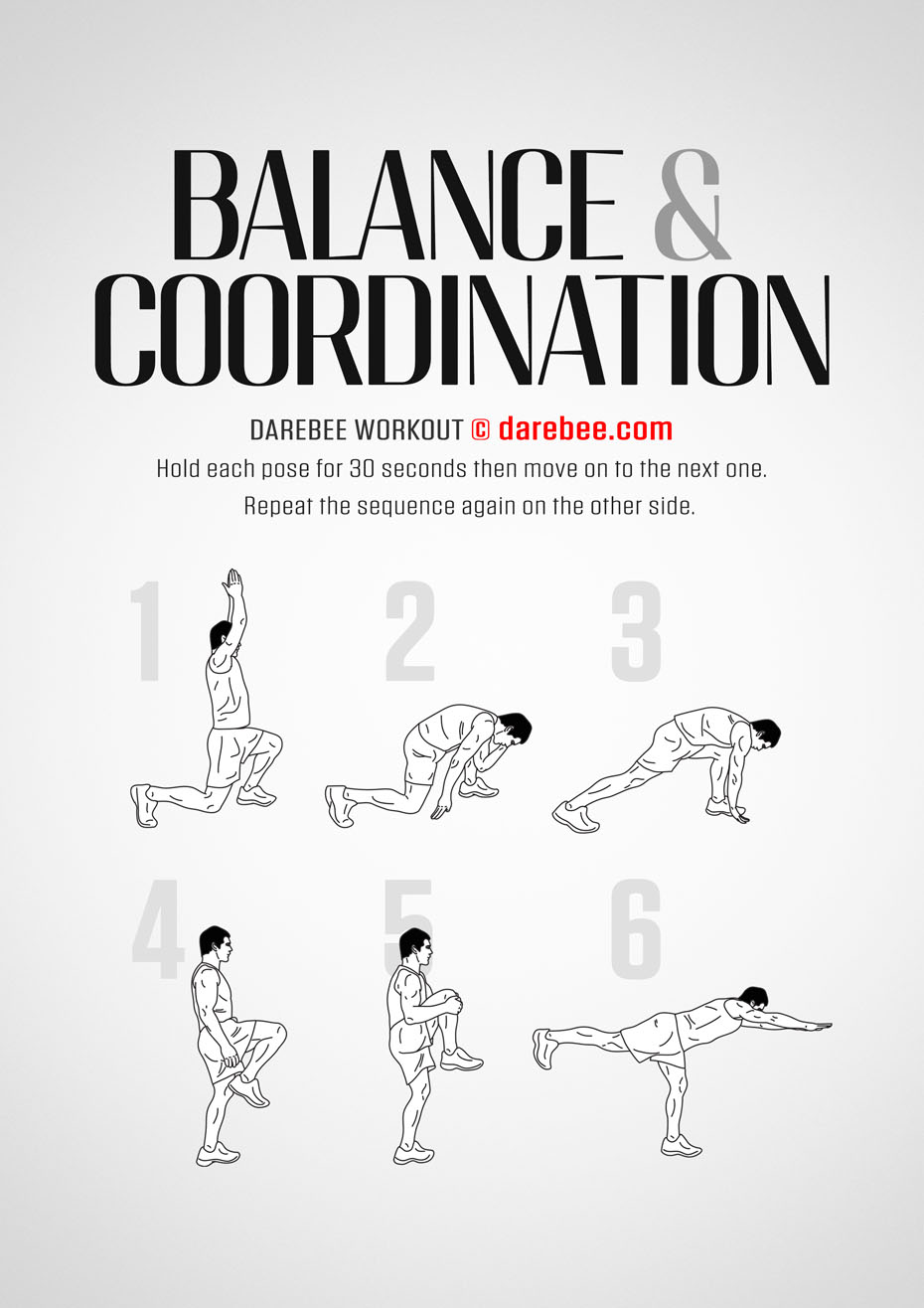
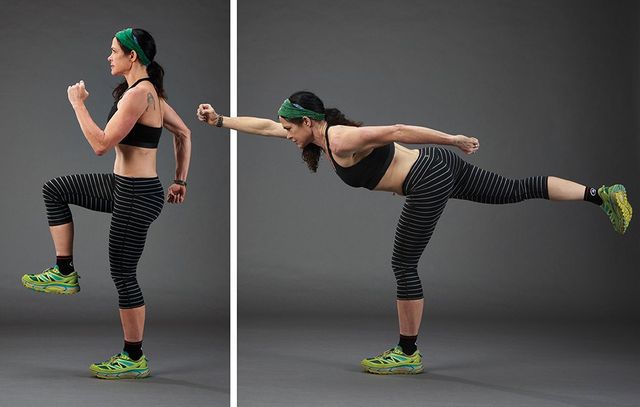
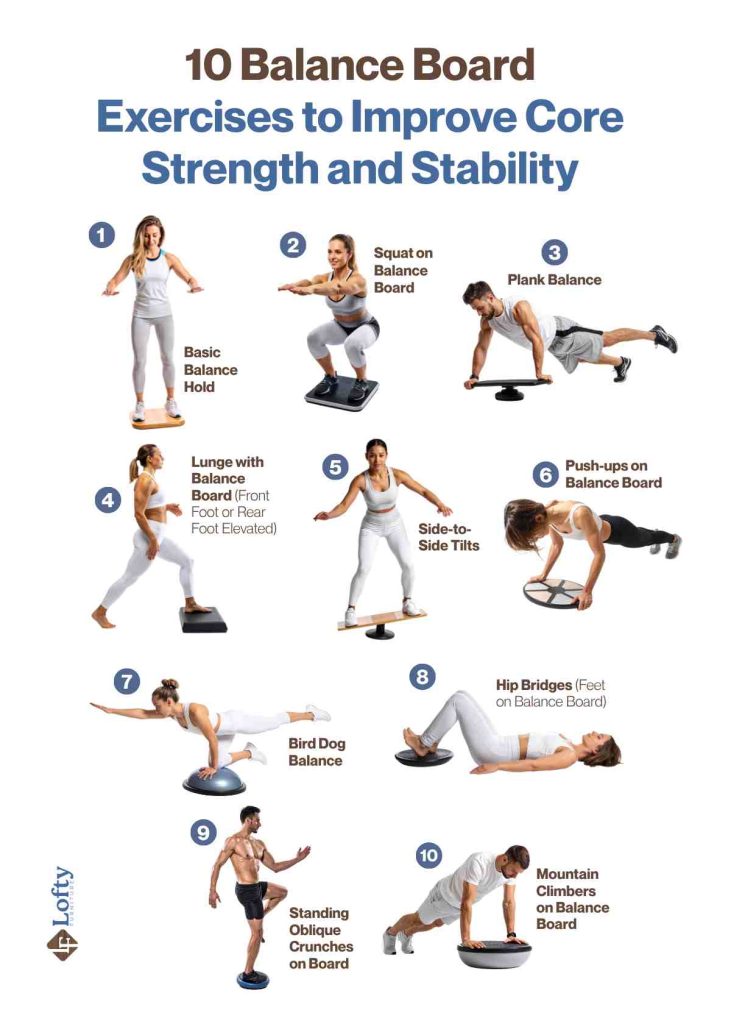
4. Balance and Reach Exercises
Balance exercises challenge stability while coordinating upper and lower body movements.
Benefits:
- Strengthens core muscles
- Improves posture and control
- Enhances coordination and balance
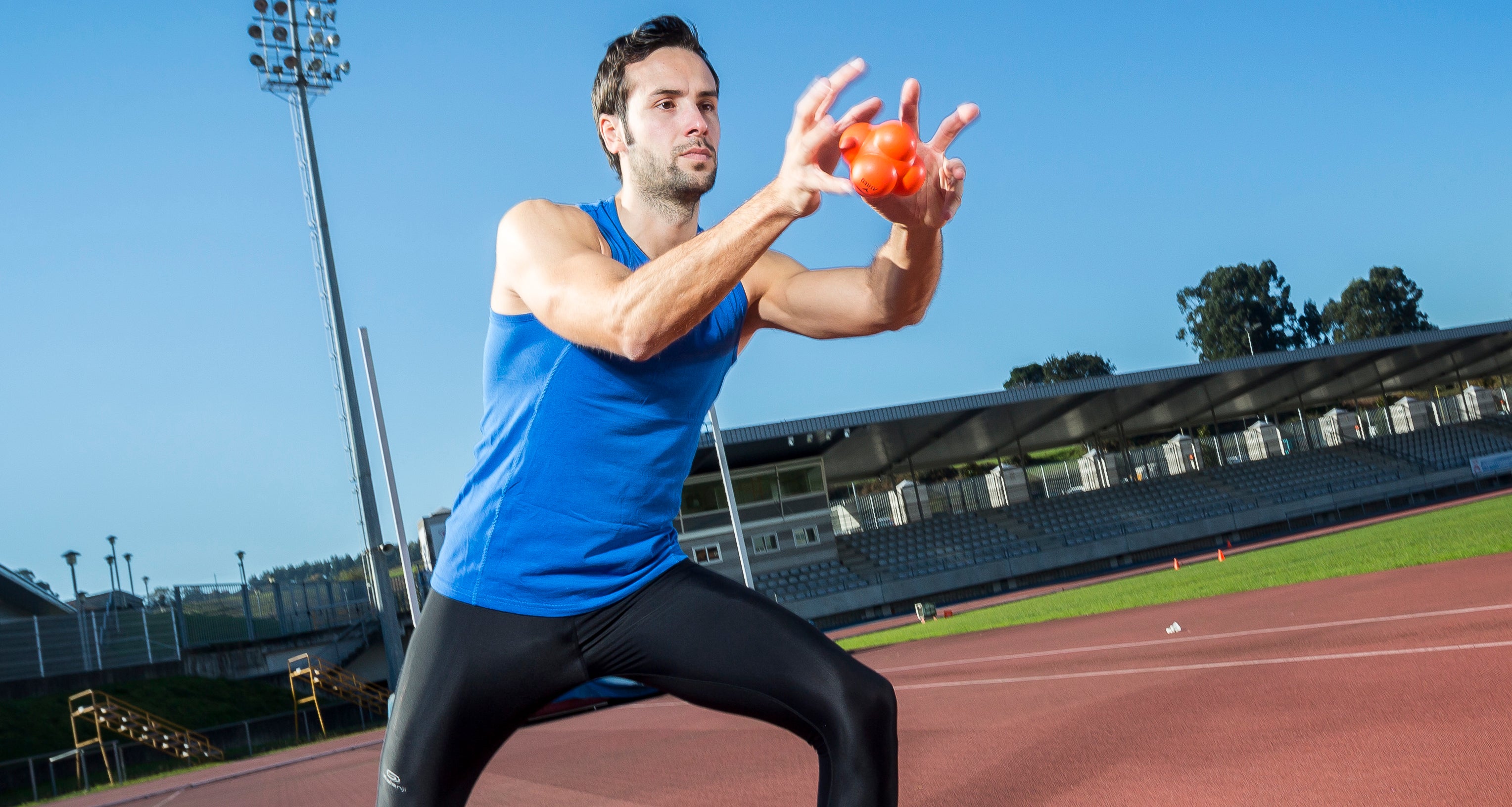
5. Ball Coordination Drills
Ball-based drills are excellent for developing hand-eye coordination and reaction time.
Benefits:
- Improves motor skills
- Enhances focus and reflexes
- Supports brain-body coordination


How Often Should You Train Agility & Coordination?
For optimal results:
- Train 2–4 times per week
- Sessions can be 15–30 minutes
- Focus on controlled, quality movements
Agility and coordination exercises work well as warm-ups, standalone workouts, or part of a full training routine.
Tips for Safe and Effective Training
- Warm up before starting
- Start slow and increase difficulty gradually
- Focus on balance and control over speed
- Rest when needed to prevent injury
Consistency is key to long-term improvement.
Who Should Do Agility & Coordination Training?
These exercises are suitable for:
- Athletes and sports players
- Beginners and home workout enthusiasts
- Older adults focusing on balance
- Children developing motor skills
- Anyone aiming for better movement quality
Final Thoughts
Agility and coordination exercises are a powerful way to improve physical performance, balance, and overall movement efficiency. With minimal equipment and access to free images and videos, anyone can incorporate these exercises into their fitness routine.
By training regularly, you’ll not only move faster—but smarter and safer.
