
How I Built a Strong and Stable Body
Core strength completely changed the way I move, exercise, and feel every day. When I first started focusing on my core, I thought it was only about getting visible abs. Over time, I realized it was much more than that—it was about stability, balance, and protecting my body from injuries.
In this post, I’m sharing what I’ve learned about core strength, why it matters, and the exercises I personally use to build a strong and stable core.
What Core Strength Means to Me
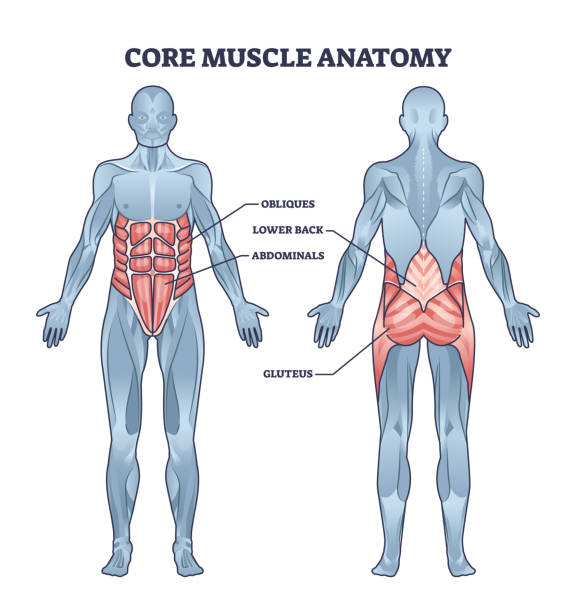
To me, core strength is the ability of my abdominal, lower back, hip, and pelvic muscles to work together and support my body. These muscles stabilize my spine and help me move efficiently, whether I’m exercising or doing everyday activities.
Once I started training my core regularly, I noticed better posture, less back discomfort, and improved performance in other workouts.

Why Core Strength Is Important
Before I focused on core exercises, I struggled with balance and occasional lower back pain. Strengthening my core made a noticeable difference.
Benefits I Personally Experienced:
- Improved posture and body alignment
- Better balance and stability
- Reduced strain on my lower back
- More control during workouts
- Increased confidence in movement
A strong core supports almost every physical activity, and I now consider it a non-negotiable part of my fitness routine.
Core Strength Exercises I Rely On
These are the core exercises I consistently use because they are effective, simple, and beginner-friendly.
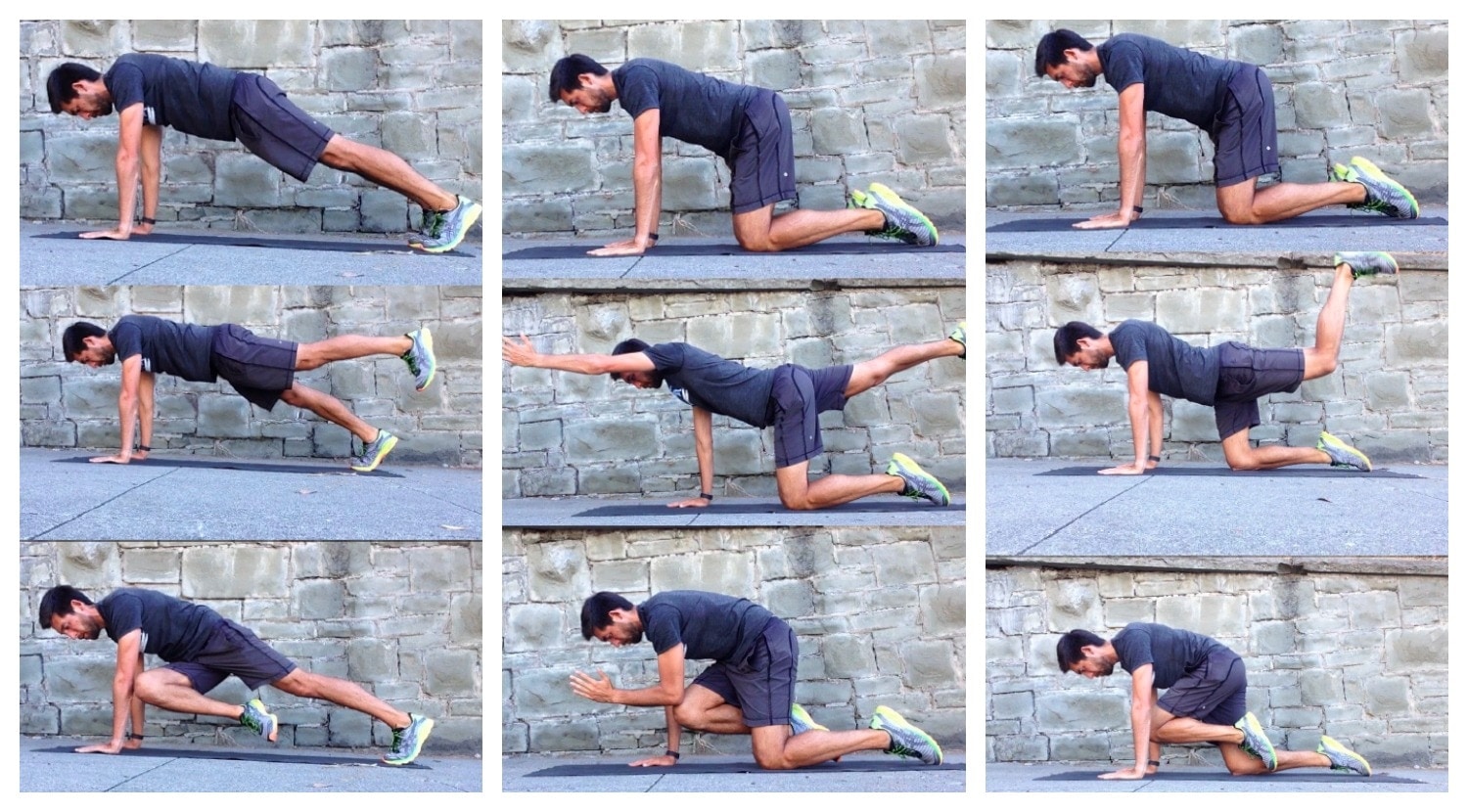
1. Plank Exercise
The plank is one of the first exercises I added to my routine, and it remains one of the most effective.
Benefits:
- Engages my entire core
- Builds endurance and stability
- Improves posture


How I do it:
I hold a plank position with my body in a straight line, keeping my core tight and breathing steadily.
2. Crunches
Crunches helped me develop better control over my abdominal muscles.
Benefits:
- Strengthens upper abdominal muscles
- Easy to modify for beginners
- Helps improve core awareness

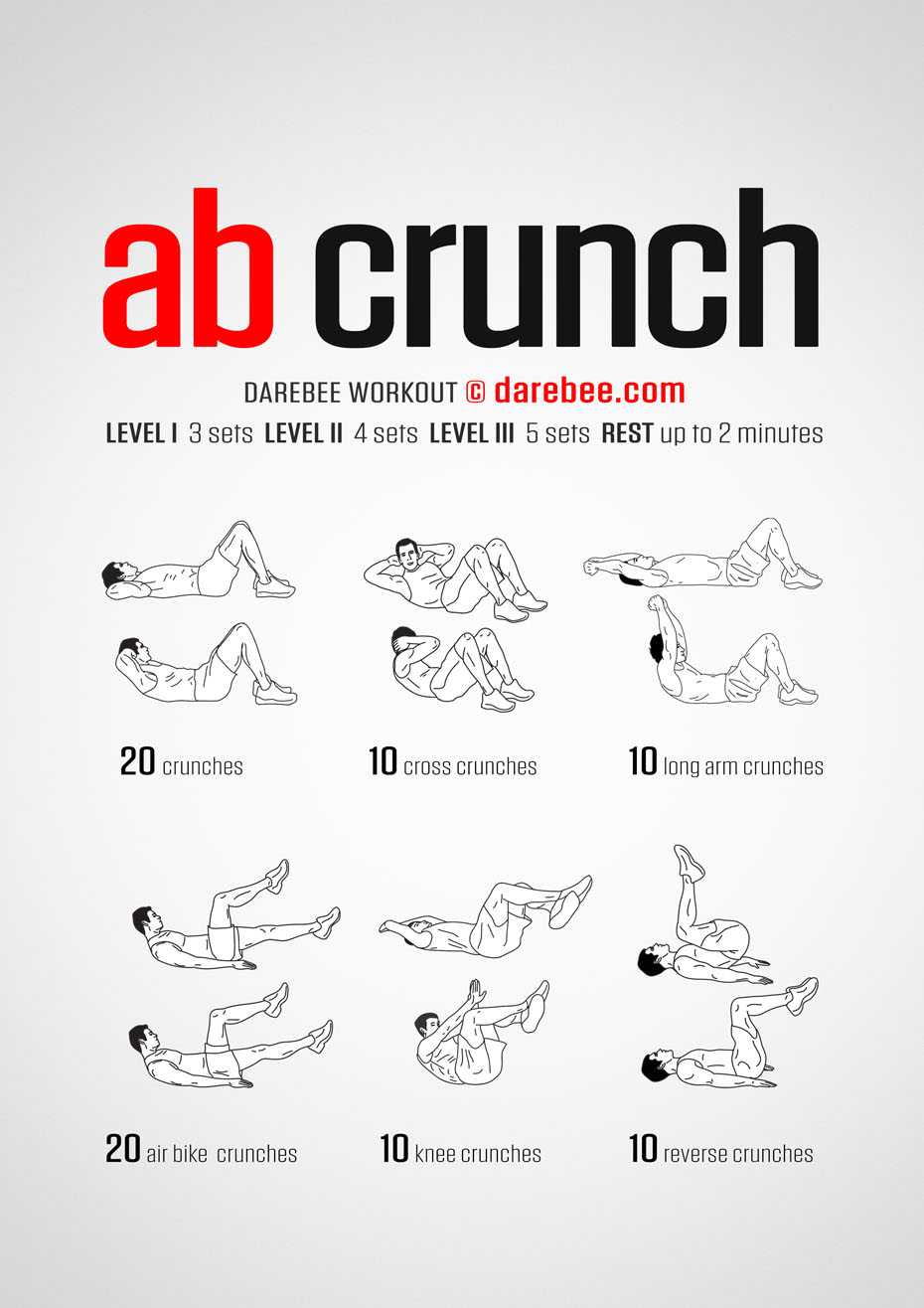

I focus on slow, controlled movements instead of rushing through the reps.
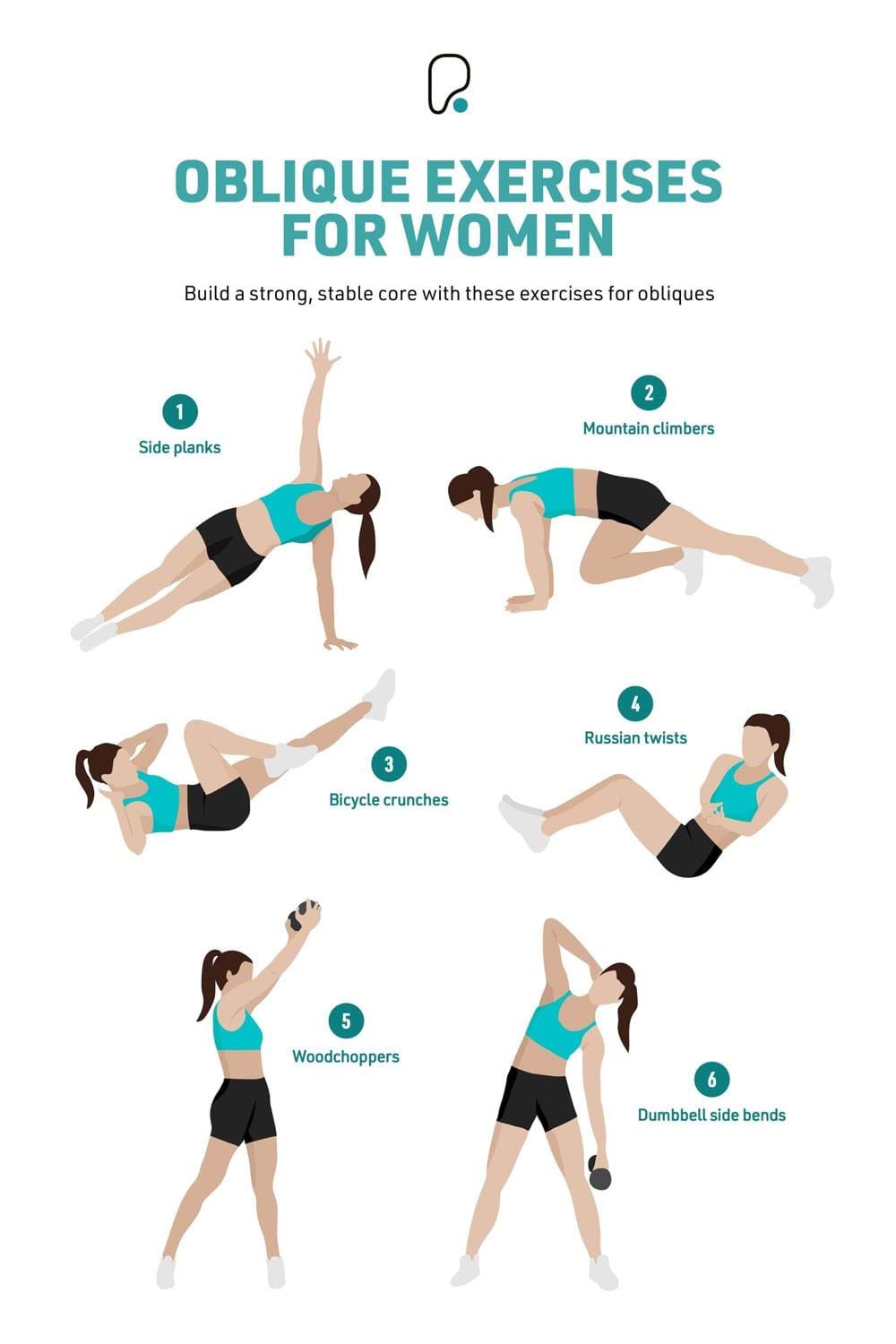
3. Bicycle Crunches
Bicycle crunches quickly became one of my favorite core exercises because they engage multiple muscles at once.
Benefits:
- Targets obliques and abs
- Improves coordination
- Increases muscle activation


4. Leg Raises
Leg raises challenged my lower core more than I expected, but they made a big difference over time.
Benefits:
- Strengthens lower abdominal muscles
- Improves core control
- Supports better stability


5. Russian Twists
Russian twists helped me build rotational strength, which improved my overall movement.
Benefits:
- Strengthens oblique muscles
- Enhances balance and control
- Improves functional strength


How Often I Train My Core
From my experience, consistency matters more than intensity.
My routine:
- 3–4 core sessions per week
- 10–20 minutes per session
- A mix of static and dynamic exercises
Sometimes I add core exercises at the end of my workouts, and other times I dedicate a full session just to core training.
Tips That Helped Me See Results
These are a few things that made my core training more effective:
- I focus on form rather than speed
- I engage my core muscles throughout each movement
- I breathe properly and avoid holding my breath
- I stop if I feel discomfort in my lower back
Listening to my body has been key to staying injury-free.
Who I Think Should Train Core Strength
Based on my experience, core strength exercises are beneficial for:
- Beginners starting their fitness journey
- Athletes looking to improve performance
- Office workers who sit for long hours
- Older adults focusing on balance
- Anyone wanting better posture and stability
Final Thoughts
Building core strength has been one of the best decisions I’ve made for my fitness and overall well-being. A strong core supports every movement I make and helps me feel stronger, more balanced, and more confident.
If you’re looking to improve your fitness, I highly recommend making core strength training a regular part of your routine. Start simple, stay consistent, and let the results build over time.
